

Why Verstappen’s Legacy in Formula 1 Matters as Zandvoort Bows Out
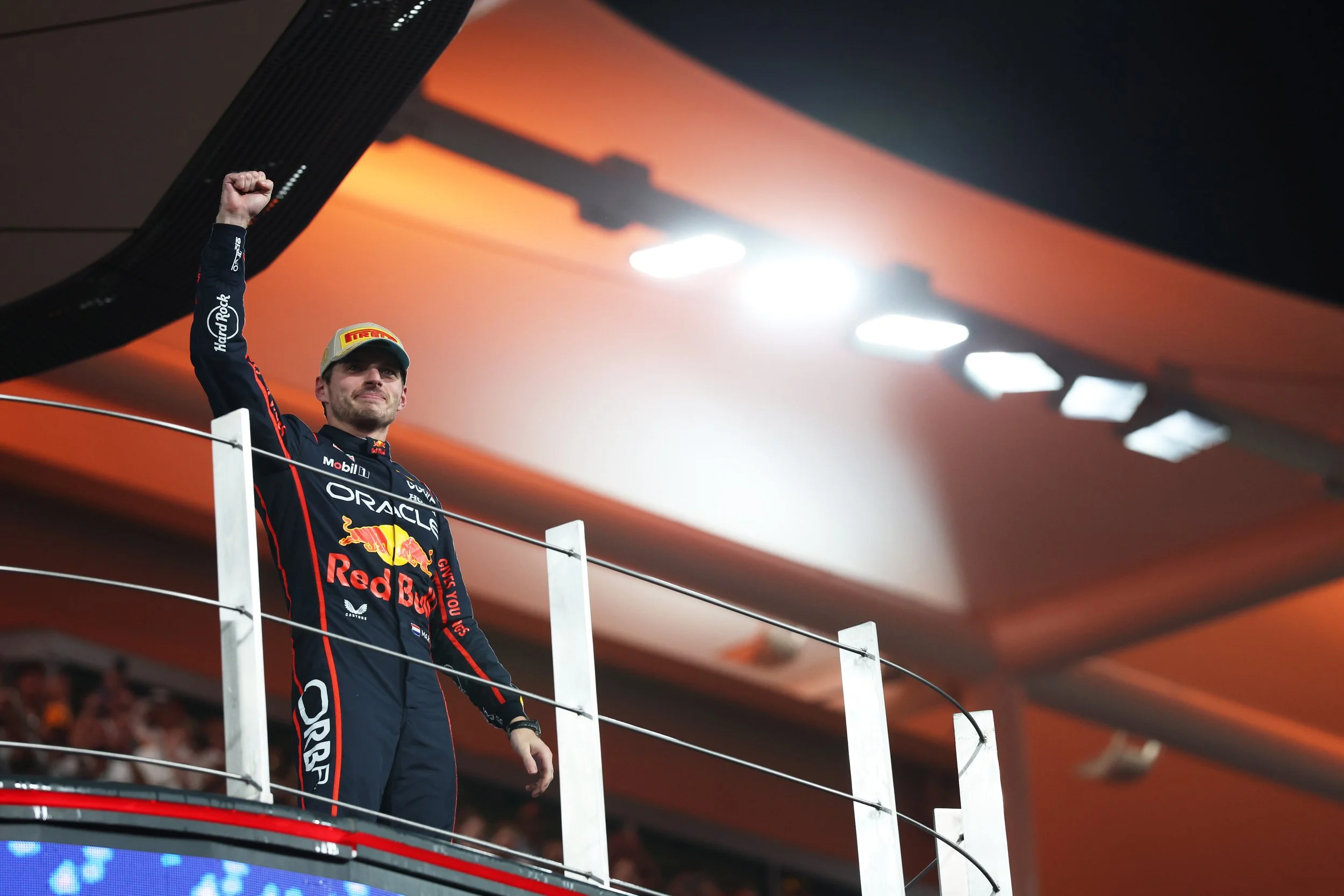
Image credit: Red Bull Content Pool
As Formula 1 returned from its summer break, the Netherlands was forced to wrap its head around two realities - the end of the Dutch Grand Prix as Zandvoort prepared to host its final race for the foreseeable future, alongside the welcome, but albeit slightly surprising, contract extension for Max Verstappen at Red Bull Racing, keeping him both at the team and in the sport until at least the end of 2030.
The driver almost singlehandedly responsible for the return of his home Grand Prix to the Formula 1 calendar would remain, while the venue itself would blend back into the background of the global motorsport tapestry.
There was a long moment in the lead up to the weekend where fans and experts alike across the globe thought that 2026 would perhaps be the year that we saw both Zandvoort and Verstappen leave Formula 1 for good. With Red Bull in a period of rebirth and Verstappen himself as the sole remaining heavy hitter from the time when he first joined the team a decade ago, the writing seemed to be on the wall and while the prospect was a poignant one for the Dutch, it made sense narratively. But that was not to be.
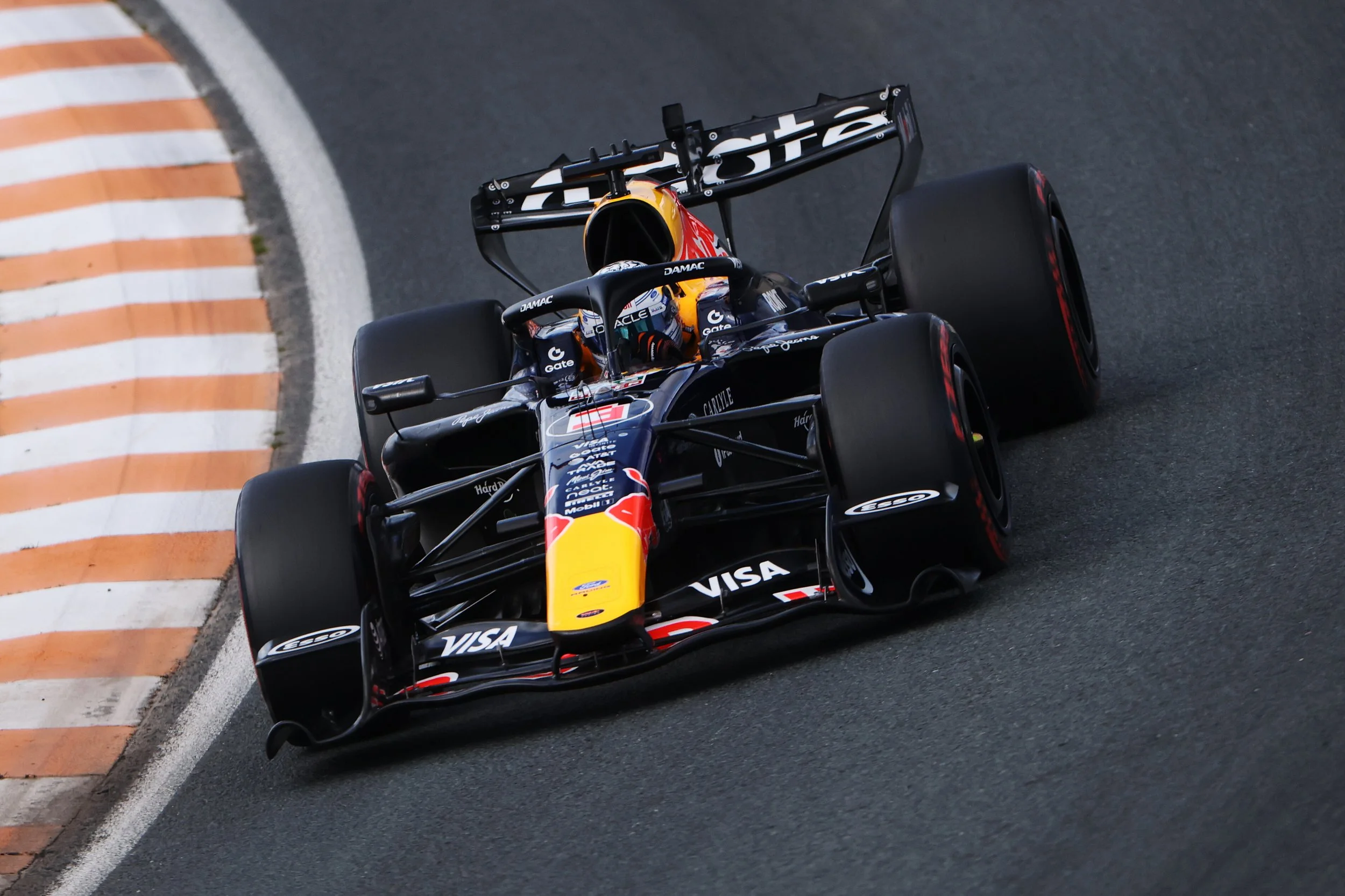
Image credit: Red Bull Content Pool
With this divergence, came another prospect. While a Grand Prix victory had so far eluded Verstappen in 2026, many hoped that with mixed weather conditions often being a characteristic at play in Zandvoort and with a home crowd advantage for one final time, maybe, just maybe, Verstappen and Red Bull could pull a rabbit out of the hat and deliver a fitting victory for him and his home fans.
However, this was not to be either however as Verstappen dramatically crashed out of his final home race at the end of only the second lap of the Grand Prix as he exited the final banked turn of the circuit, smashed into the barriers, careered across the track and came trundling to a halt.
But despite this early exit, it proved that both Formula 1 and Zandvoort can survive without him while also proving that both are a richer product when he is a part of them.
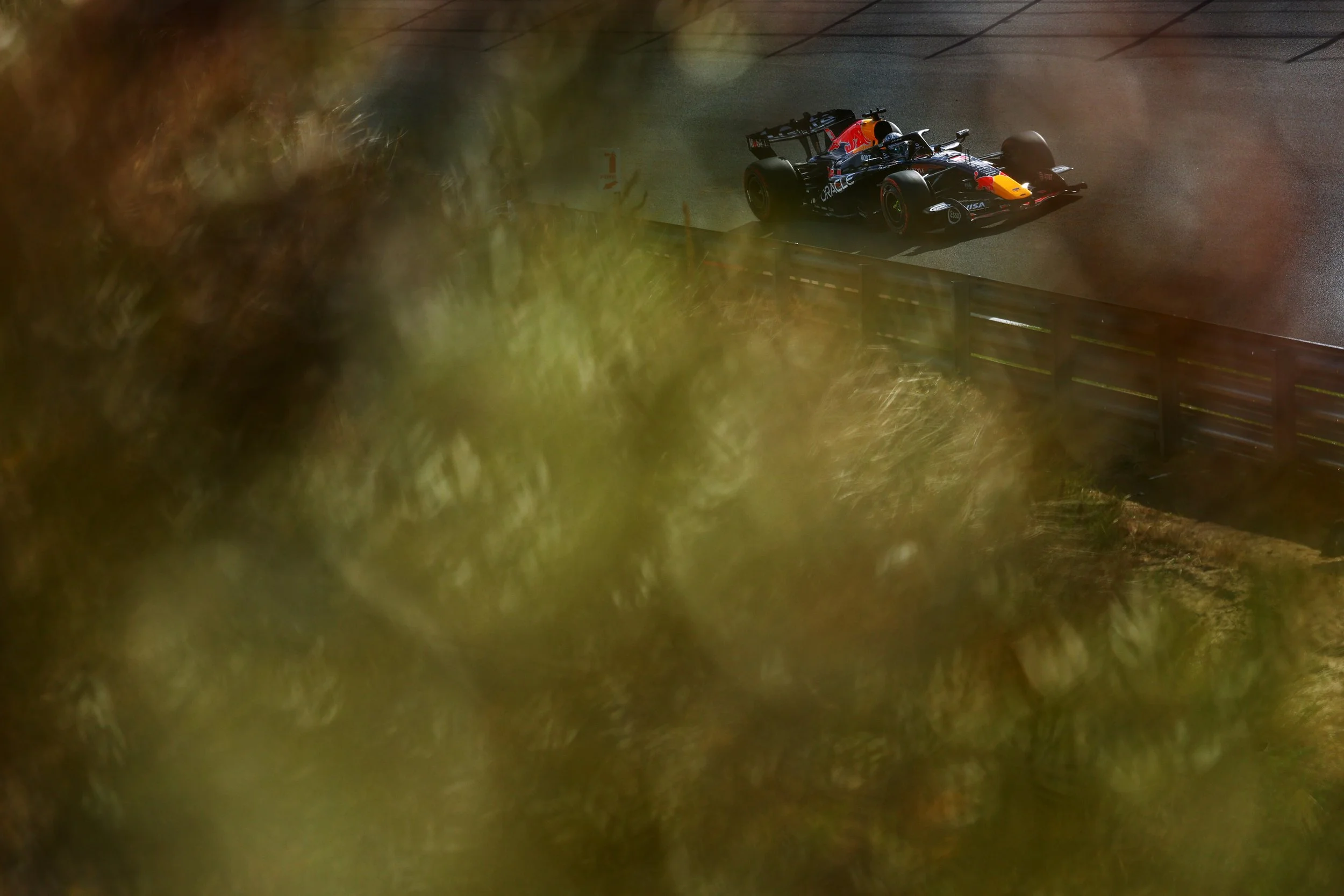
Image credit: Red Bull Content Pool
Max Verstappen entered Formula 1 with Toro Rosso (now Racing Bulls) back in 2015, having skipped over Formula 2 and jumping straight into the top tier of motorsport from Formula 3. He spent just over a season with the team, during which time he finished as high as fourth place at both the Hungarian and United States Grand Prix. After just four races of the 2016 season, Verstappen was promoted to Red Bull Racing for the Spanish Grand Prix, replacing Daniil Kvyat. It was a memorable race not only for the opening lap collision between Lewis Hamilton and Nico Rosberg that saw both drivers eliminated from contention but also because on his debut for the team, Max Verstappen won the Grand Prix ahead of both Ferrari drivers Kimi Räikkönen and Sebastian Vettel. While it would remain his sole victory of the year (he went on to score six further podium finishes), the raw potential of the young Dutchman had been firmly demonstrated.
Back then, Verstappen told people that his ambitions extended as far as winning the World Championship once. Anything more after that would be a bonus. In the time since that debut win, Max Verstappen has gone on to achieve a total, so far, of seventy-one Grand Prix wins, forty-eight pole positions and four World Championships. It’s fair to say then that Verstappen exceeded his own expectations and desires. Each of these achievements has been during his tenure with Red Bull Racing and across a variety of conditions - both on and off track. Verstappen took his first title in 2021 after a gruelling season-long battle with seven-time World Champion Lewis Hamilton. His second Championship came in 2022 after battling Charles Leclerc and Ferrari while 2023 saw Verstappen and Red Bull dominate with the team winning all Grand Prix that year bar one (Singapore) with the Dutchman taking nineteen victories that season alone and only finishing off the podium once with a fifth place finish. When he wasn’t winning, he was finishing in second. 2024 saw McLaren on the rise but Verstappen was able to dispatch them with relative ease and took his fourth title in Las Vegas.
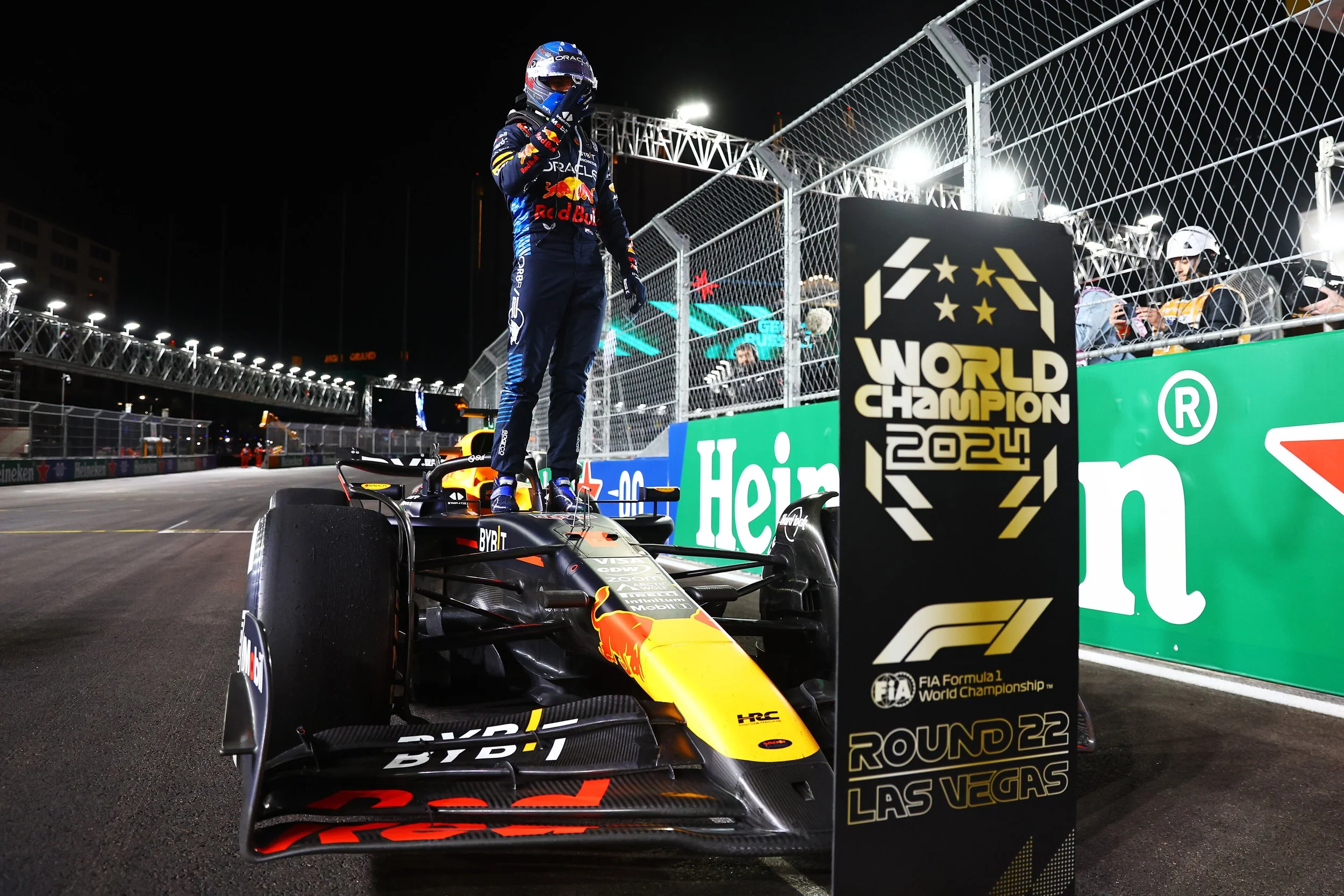
Image credit: Red Bull Content Pool
Despite then missing out on a fifth World title last year by just two points after an epic comeback that saw Verstappen take on the might of McLaren, 2025 could be argued as his greatest season so far in Formula 1. With McLaren firmly in the ascendancy and Red Bull on the backfoot, Verstappen’s dominant win at the third race of the season in Japan was remarkable but dismissed by him and others as a one off - not the start of a regular occurrence. But he and the team dug deep and, after the summer break, Verstappen didn’t finish any of the ten Grand Prix off the podium, winning six of them. With a car as dominant as the 2025 McLaren and with drivers in Lando Norris and Oscar Piastri at the helm, the fact that Verstappen got as close as he did to taking the World Championship away from both of them is nothing short of remarkable.
With 2026 marking a brand new era for the sport with its radical regulation changes and with Verstappen having been vocal in his criticisms of what this new era of the sport would look like in the build up to it, there were already question marks around whether Verstappen would return at all in 2026, opting instead to either take a break as Fernando Alonso has done before or retiring from Formula 1 entirely.
But Verstappen returned and in the twelve races we’ve had so far this season, we’ve seen him both struggle and extract the maximum from his car and team in equal measure, highlighting both the woes that come with a regulation change as massive as this one and the calibre of driver that Verstappen is that enables him to still perform and deliver results in spite of this. So even though a Grand Prix victory has not yet come his way this season, Verstappen has still made four trips to the podium in 2026, most recently in Hungary. The challenges and frustrations that Verstappen has experienced so far demonstrate however why his contract extension with Red Bull Racing makes sense and perfectly captures the kind of driver - and person - he’s evolved into over the last decade.
Verstappen comes from a family of racers and thanks to his partnership with Kelly Piquet and the child they have together, he has bridged together two of the most well known families in motorsport - the Verstappens and the Piquets.
Jos, his father, raced in Formula 1 from 1994 until the end of 2003 while Sophie, his mother, competed both in karts and touring cars until 2013. On Kelly’s side, her father, Nelson, is a three-time Formula 1 World Champion with all three coming during the 1980s. Her brother, Nelson Jr, raced in Formula 1 too while her brother in law, Daniel Suarez, competes in NASCAR.
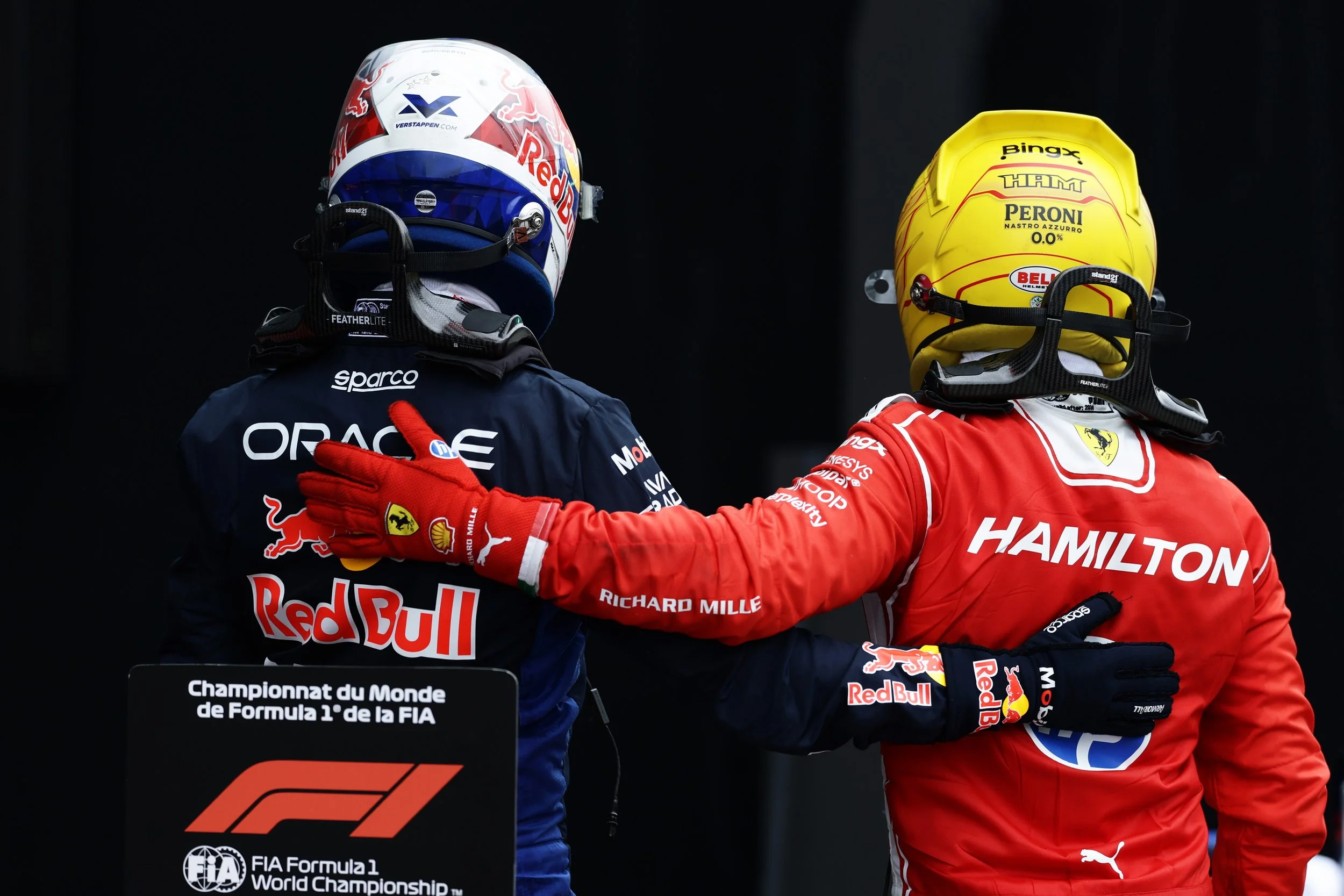
Image credit: Red Bull Content Pool
Verstappen though is the culmination of all those who came before him and sets an incredibly high bar for any future descendants that wish to follow in his footsteps. His first World Championship already cemented him as the pinnacle of his own bloodline but with four Championships in a row and in third position overall on the all time Formula 1 winners list, he’s eclipsed what Nelson Piquet was able to achieve back in the 1970s, 80s and 90s.
It’s partly what led to 2025 being arguably his best season in the sport, even without winning the Championship. The fact that Verstappen was able to get as close as he was, despite the dominance of the McLaren machinery, put on display just the type of driver that Max Verstappen is and that even though he’s already achieved all he set out to, he’s still hungry for more and loves racing for the sake of racing. His frustration and anguish this year is further testament to that. If he didn’t care, we wouldn’t be seeing this kind of reaction from him.
It’s what makes not only his confirmed future to remain in Formula 1 but with Red Bull into the next decade all the more intriguing. It’s the only team he’s ever really known and it’s an extended family to him. Unlike other drivers who want to prove that they have what it takes no matter which team they compete for, Verstappen’s love of family and its importance to him, both personally and professionally, shine through here. His parents sacrificed much to help him get to where he is today, going through good times and bad together and this is exactly what we’re seeing now with Red Bull as they rebuild after a dramatic couple of years in the sport.
“I love to be competitive, I love to win Championships, I love to win races. But at one point, family again, comes first because people get older and you really have to savor those moments.”
For Verstappen, it now seems more than just being about getting back to winning races and competing for Championships. It feels like he wants to get the team to a place so that when he does exit from the team and Formula 1, probably at the same time, he can leave them in the best place possible so that whomever replaces him can carry on where he left on and reap the rewards from the seeds that he planted and nurtured during his tenure. But he’s also looking beyond the track too - to his parents, his partner and his daughter.
Verstappen’s priorities have shifted and while he still races hard - look at the Brazilian Grand Prix last year or any time he and Hamilton have come anywhere near each other this season as prime examples - his attention is not solely focused on this single endeavour. Many speculated that Sebastian Vettel might replace Helmut Marko at Red Bull as the figure to develop the next generation of drivers but this now seems like something Verstappen may end up doing too - he’s already doing it with his GT team as he develops drivers in that category with Mercedes.
“And these kind of moments, they really make me realize that it’s not all about racing and Formula 1, and I want to spend time with them because from when I was four years old, all of our lives, my family’s life, has been dedicated to me and success and trying to get to Formula 1 and at one point, that’s enough.”
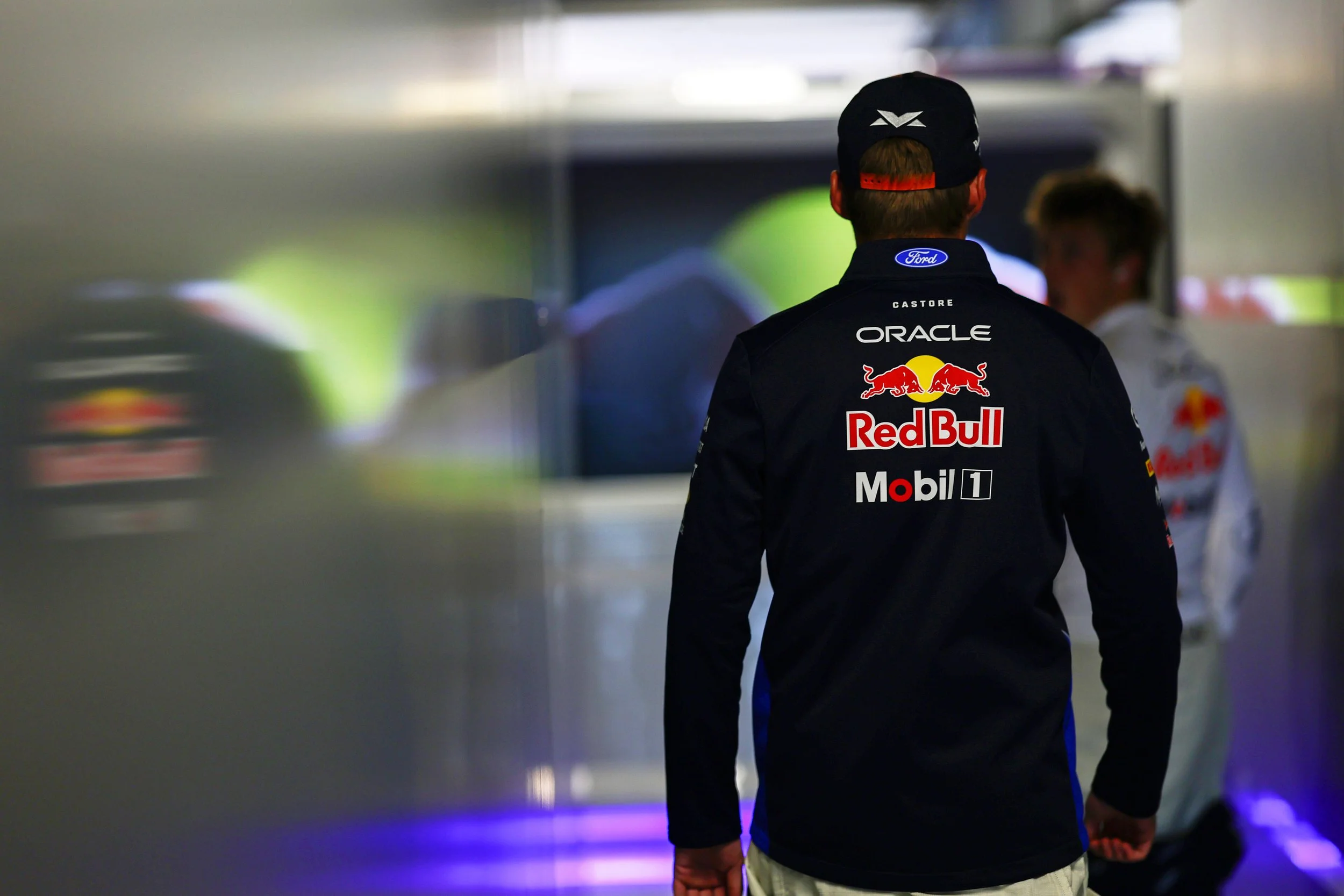
Image credit: Red Bull Content Pool
With 2030 now being his last contracted year, it does give both Verstappen and the team enough time to achieve what they want to, although their relationship could be extended in Formula 1 beyond this. But Verstappen has also made it clear in the past that he’s keen to race elsewhere and in other disciplines, as he’s already shown with his GT Racing sidequests. But if 2030 is his last year and Verstappen and Red Bull are in a good position, that might be the year we see Zandvoort return for a one off appearance to give Verstappen that one final shot, again, at winning his home race before driving off into the sunset. Wouldn’t that be a fitting send off?
Regardless of what Max Verstappen achieves in the remainder of his time in Formula 1, however long that may be, his legacy is already set as one of the greatest of all time. Zandvoort returned to the calendar because of him and it may yet so do again. Non Formula 1 fans know his name and the sport has changed because of him. As a result, he’s achieved a form of immortality that few in the sport have managed in the past. But while his on track legacy is all but cemented, the real question now is what will his legacy beyond that look like? That’s still to be decided and might just be Verstappen’s biggest challenge yet.