

Rwanda Secures 10-Year Deal to Bring Formula 1 Back to Africa
The African Grand Prix is planned for the early 2030s, ending an absence from the continent that dates back to 1993.

Image credit: FIA
Formula 1 will race in Africa for the first time since 1993 after reaching a 10-year agreement with Rwanda. The African Grand Prix is expected to join the calendar in the early 2030s, once a purpose-built circuit south of the capital, Kigali, has been completed.
The agreement was announced by Formula 1 and the FIA on October 13 in Kigali, in the presence of Rwandan President Paul Kagame, Formula 1 President and CEO Stefano Domenicali and FIA President Mohammed Ben Sulayem. Formula 1 counts more than 100 million fans across Africa, and Kagame described the circuit as a long-term investment that should bring jobs, skills, tourism and new business to Rwanda and the surrounding region.
“Today belongs to Africa. For more than three decades, the world’s premier motorsport championship has raced without this continent, and that changes with this agreement.”
Africa’s Formula 1 Past
Africa’s World Championship history begins in 1958, when Morocco hosted its only World Championship Grand Prix at the Ain-Diab circuit in Casablanca. South Africa went on to stage 23 championship races, three at East London and the rest at Kyalami, near Johannesburg.
The last of them was held at Kyalami on March 14, 1993, and won by Alain Prost for Williams, with Ayrton Senna second for McLaren. In the decades since, the calendar has expanded across the Middle East, Asia and the Americas without returning to Africa, and Rwanda is set to become the third African country to host a Formula 1 World Championship race.

Image credit: FIA, Rwanda Broadcasting Agency
“The return of the FIA Formula One World Championship to Africa is a historic moment for our sport and an important step in the continued global growth of motorsport.”
The Circuit in Bugesera
The track will be built to FIA Grade 1 standards in Bugesera, about 40 kilometers south of Kigali, next to the new Kigali International Airport, which is due to open in early 2028. It is one part of a broader sports, tourism and commercial development led by the Rwanda Development Board, and the FIA has said it will work closely with Formula 1 and its partners as the circuit is developed.
According to Formula 1, the six-kilometer, counterclockwise circuit is being designed by former F1 driver Alexander Wurz and Carsten Tilke of Tilke Engineers & Architects. It is planned to feature 17 corners and 197 meters of elevation change across a lap, using the two hills of the Bugesera site. The full track layout has not yet been released.
The site will also include a karting track, a driving experience center and off-road courses, and the venue is intended to operate year-round, hosting concerts, conferences and other major events. The date of the inaugural race, construction milestones and race-weekend plans will be announced later.

Image credit: FIA
Rwanda’s relationship with the FIA predates the deal. Kigali hosted the FIA General Assemblies and Awards Ceremony in December 2024, where Kagame formally announced the country’s bid, and the city staged the UCI Road World Championships in 2025. A Grand Prix is a much larger commitment: the country currently has no circuit capable of holding a World Championship race, and both the facility and the expertise to operate it still have to be developed.
An Audience Waiting at Home
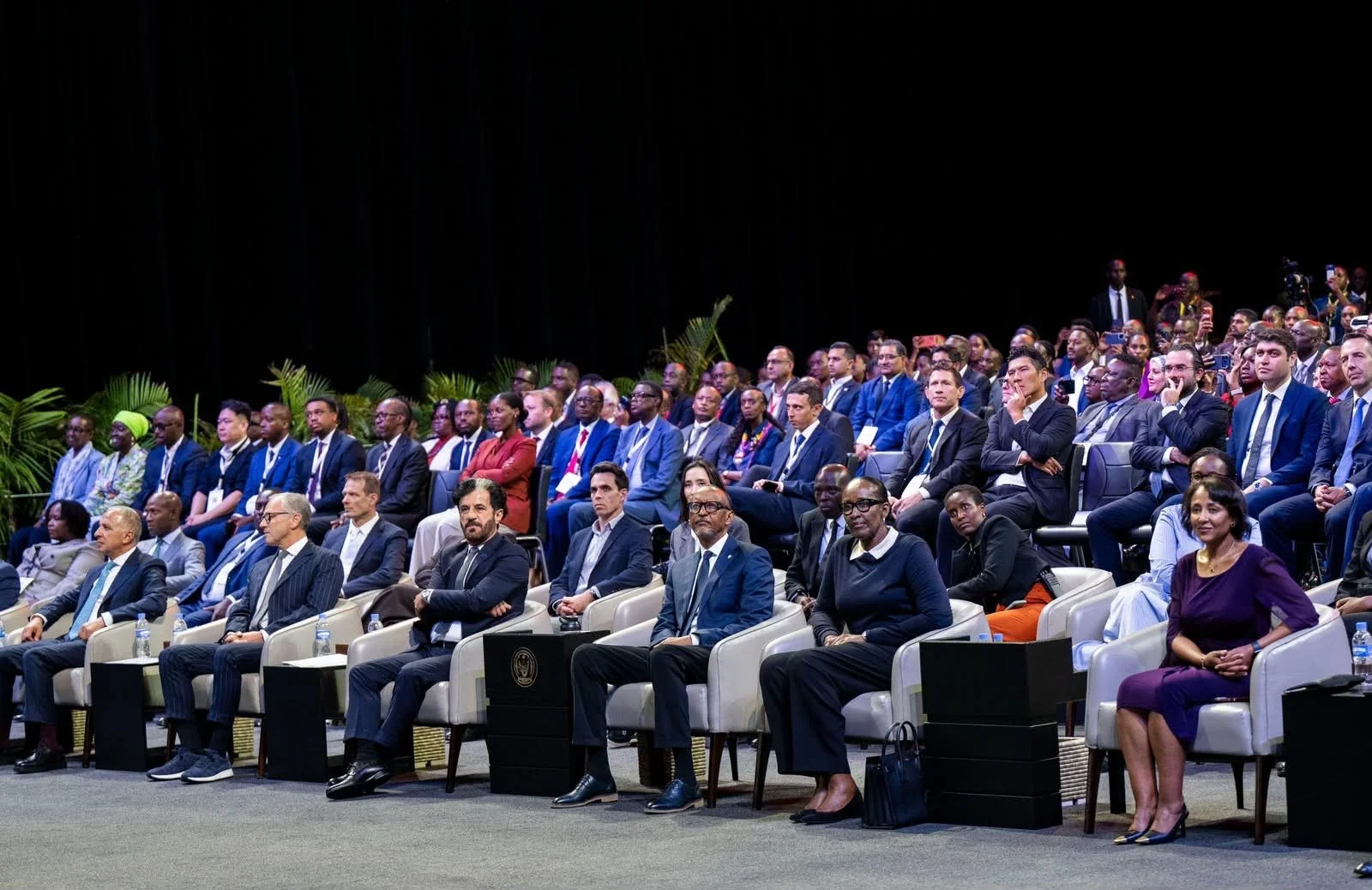
Image credit: FIA
According to Formula 1, almost 60% of fans in key Sub-Saharan African markets are under the age of 35. For most of them, the 1993 race at Kyalami took place before they were born or old enough to remember it, and following the sport has meant watching races held on other continents. Kagame said many of these young fans deserve to see the sport at home and to picture themselves in it as engineers, technicians, entrepreneurs and, eventually, drivers.
The FIA has placed the agreement within its wider push to expand the sport, and Ben Sulayem said the deal is also meant to leave a legacy for the generations that follow the inaugural race.
“This agreement is also about creating a lasting legacy, inspiring new generations, developing talent and opening new opportunities for motorsport across Africa and beyond. Increasing accessibility is at the heart of the FIA’s mission, and we have a responsibility to ensure that our sport continues to grow at every level, reaching new communities and creating opportunities for people in every corner of the world.”
A Name for a Continent

Image credit: FIA
Organizers chose to name the race after the continent rather than the host country. Jean-Guy Afrika, CEO of the Rwanda Development Board, said that calling it the Kigali Grand Prix or the Rwanda Grand Prix would have felt slightly exclusive, and that the aim is for this to be the moment Formula 1 returned to Africa and stayed. How far the benefits reach outside Rwanda will depend on decisions still to be made, from ticket pricing to who has access to the new karting facility.
Beyond the Race Weekend
The African Grand Prix would bring Formula 1 back to the continent, although ticket prices, transport connections and travel costs will determine how accessible the event becomes for fans across Africa.
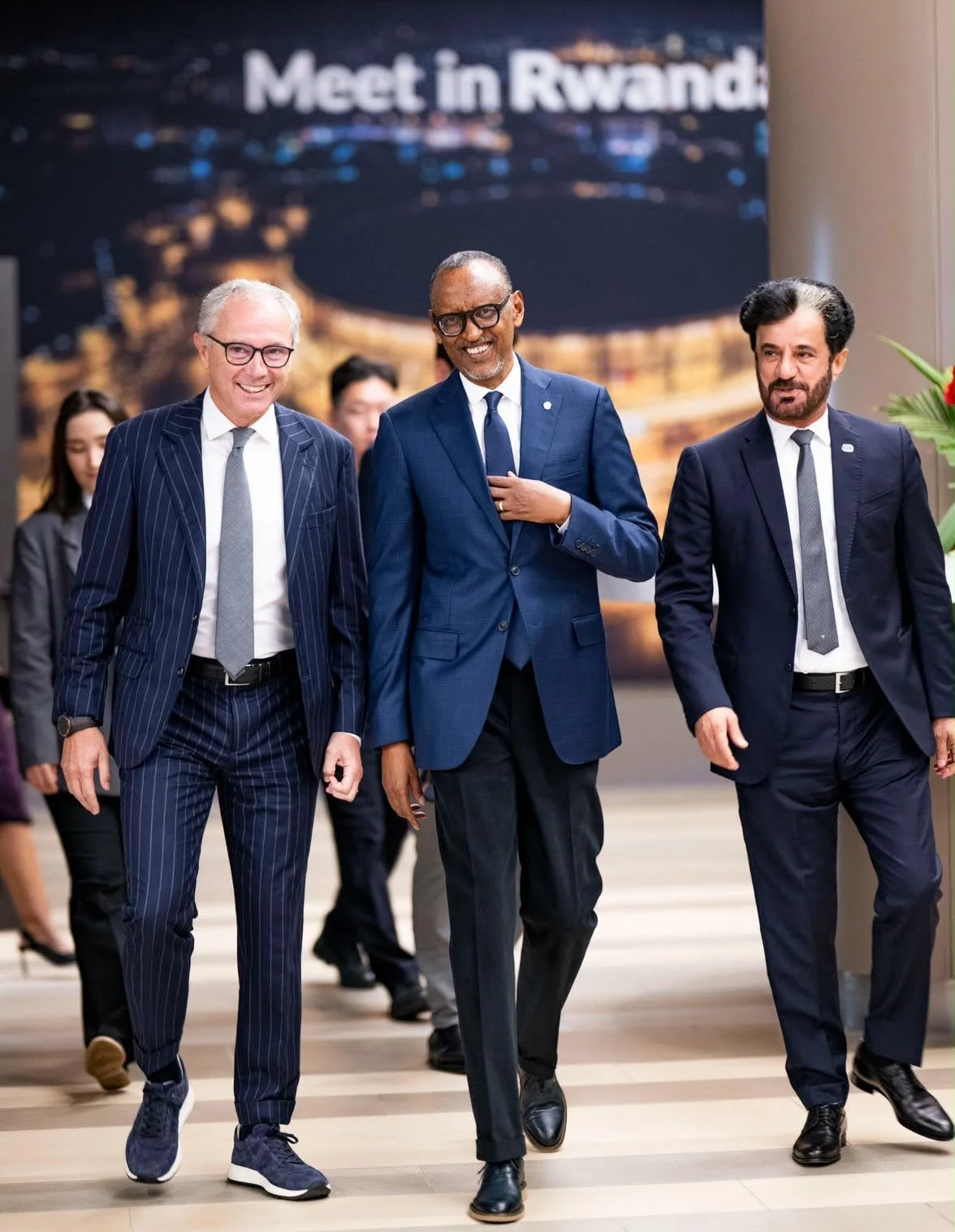
Image credit: FIA
The longer test is what the venue produces in the years between races. The karting facility and the skills development Kagame described give the project a base to work from, but careers for young drivers, engineers, mechanics, marshals and media crews will need investment sustained across the full term of the agreement.
New Grands Prix are usually judged on the racing they produce and the commercial terms behind them. By naming this event after a continent and speaking about legacy at the launch in Kigali, the organizers have set themselves a different benchmark. By the end of the 10-year agreement, the clearest measure of its success will be how many of the people working in the paddock on race weekend in Bugesera come from Africa.