

Inside the Room That Watches the Race
The FIA's Remote Operations Centre moves to Formula 1's Biggin Hill campus, four years after the Abu Dhabi fallout brought it into existence.
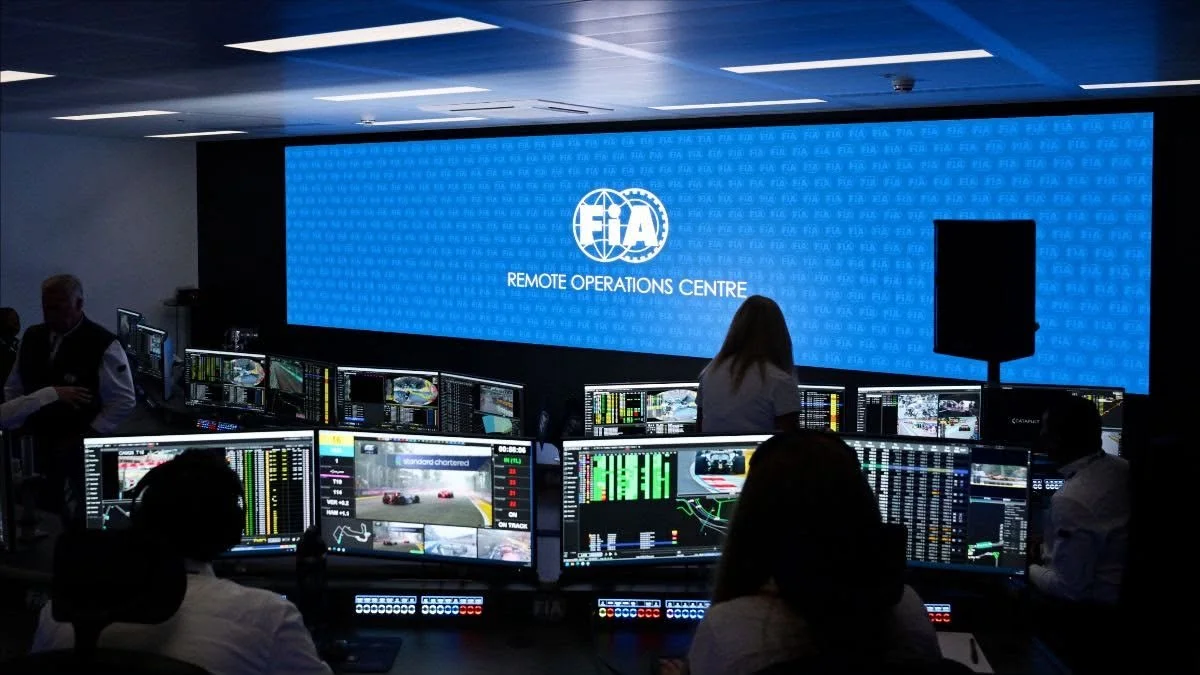
Image credit: FIA
The FIA has officially opened its new Remote Operations Centre (ROC) at Biggin Hill in the United Kingdom, placing the team that supports Formula 1's race officials on the same campus that produces the sport's international broadcast. Built in collaboration with Formula 1, the facility provides real-time support to FIA Race Control and the Stewards across Formula 1, Formula 2 and Formula 3 race weekends, the governing body announced on October 20 (FIA press release, October 20, 2026).
Tuesday's ceremony formalized a move that was already in effect. According to the FIA, the new center has been fully operational since the 2026 Dutch Grand Prix, with up to 16 staff working during race weekends, and represents a multi-million-pound investment in race officiating.
Born out of Abu Dhabi
The ROC is a product of the 2021 season finale. The FIA's investigation into the final laps of the 2021 Abu Dhabi Grand Prix recommended a Virtual Race Control Room, modeled on the video assistant referee in football and positioned away from the circuit, to help the race director apply the Sporting Regulations. By the time the report was published in March 2022, the center was already running at the FIA's headquarters in Geneva (Formula 1, March 2022). At the time, the ROC was expected to be extended to other FIA championships, and its remit at Biggin Hill now formally covers F2 and F3 alongside Formula 1.
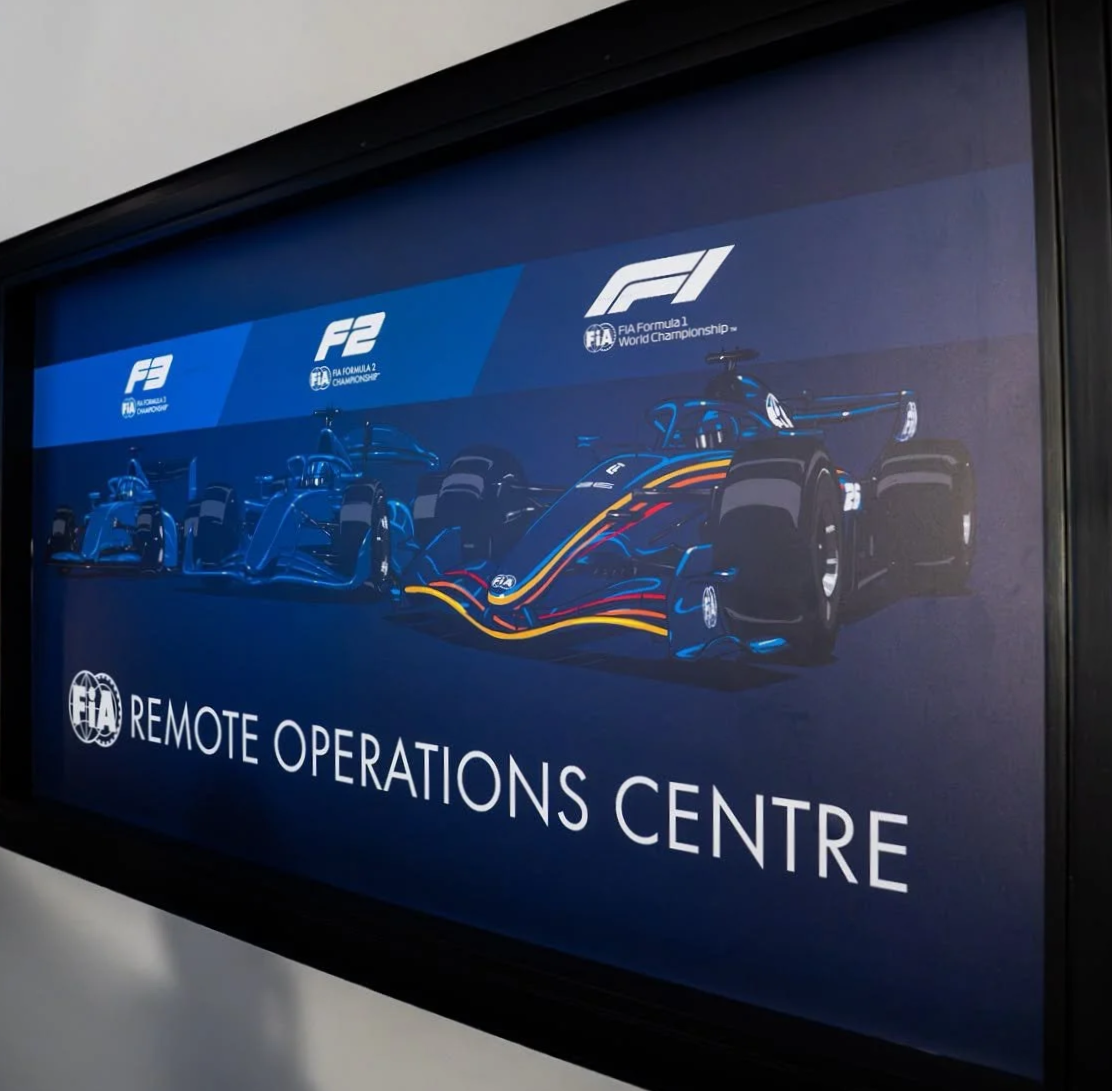
Image credit: FIA
What the analysts actually watch
During a Grand Prix weekend, ROC analysts work through live data from more than 140 audio and video feeds, along with car positioning telemetry and team radio. Their task is to identify and assess potential infringements, including jump starts, incorrect grid positions, track limits violations, pit lane offenses and whether stop-and-go penalties are served correctly, and to pass that analysis to the officials who make the decisions. The FIA says AI-assisted shape recognition, computer vision and automated tagging of radio messages help the team flag incidents as they happen. The center also conducts post-event reviews, which the FIA says will help refine future rules and train the next generation of Race Control operators.
The FIA cited the same figure of more than 140 video and audio sources when it first described the ROC in 2022. The gains it attributes to the new site are more efficient connectivity with the circuit and greater operational capability.
The people behind the call
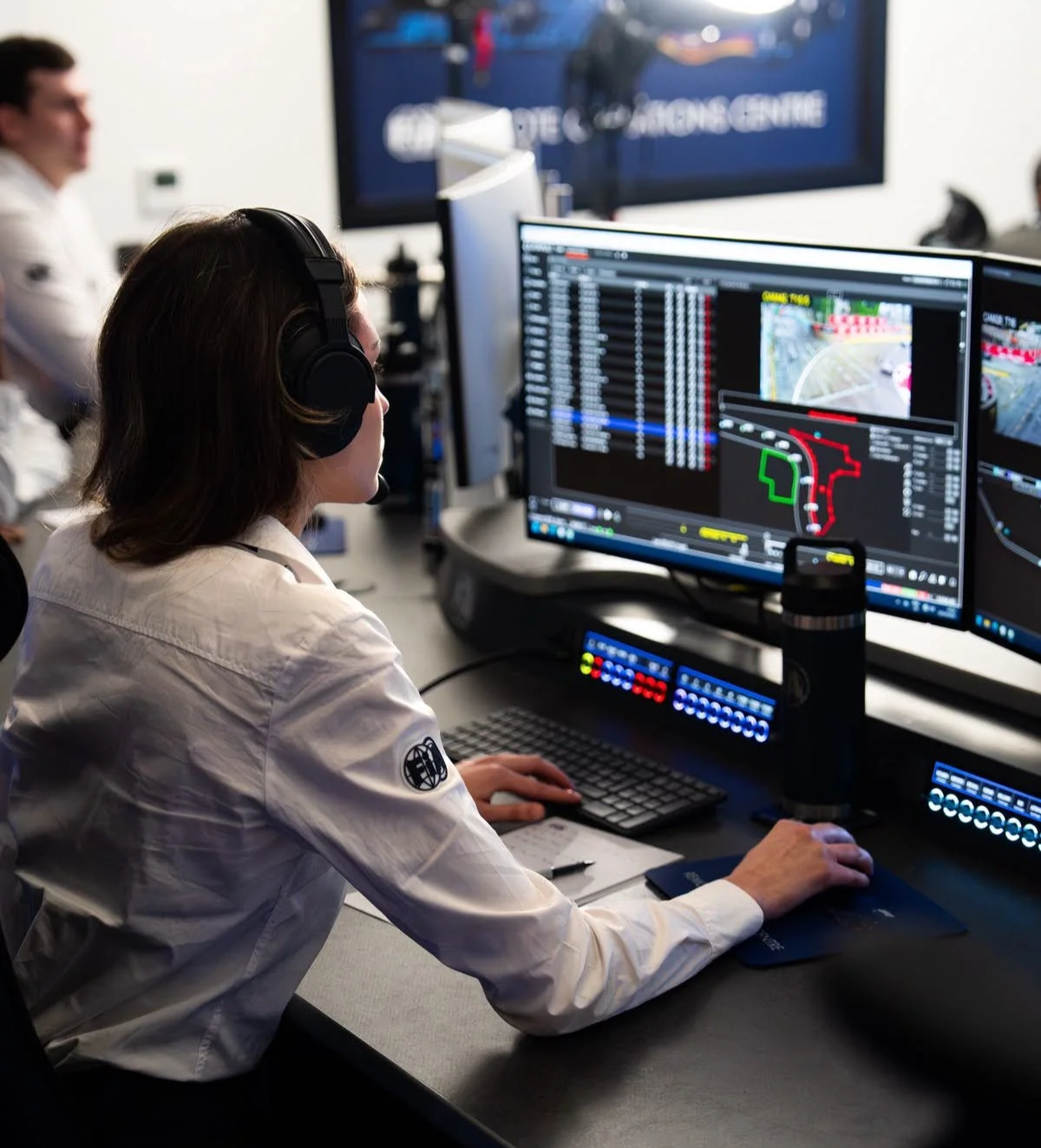
Image credit: FIA
Penalties in Formula 1 are decided by people, and recent seasons have shown how heavy that responsibility can become. The FIA's own report into Abu Dhabi concluded that the race director's duties should be divided among other people, to reduce the workload and allow the role to focus on managing the race. Michael Masi, who held the position in 2021, said in July 2022 that he had received hundreds of abusive messages after the finale, including threats against himself and his family, and that he regretted not seeking professional help.
The pressure on officials has not disappeared. After this year's Dutch Grand Prix, the same race weekend on which the new ROC became fully operational, the FIA said its stewards had been targeted with online abuse for applying penalties in line with the regulations, adding that disagreement with a decision can never justify threats or personal attacks. The FIA's statement noted that its United Against Online Abuse coalition was launched in 2023 after a steward faced targeted abuse following the United States Grand Prix.
Most of the people who make a race weekend possible never appear on the broadcast. The FIA is currently marking its second Volunteers and Officials Month, which recognizes marshals, stewards, race directors and medical crews and encourages new volunteers to join through their national clubs (FIA). Under the structure the FIA now describes, the analysis behind a contested call is supported by up to 16 ROC staff working alongside Race Control and the Stewards, which is the kind of division of responsibility the Abu Dhabi report called for.
Next door to the world feed
Biggin Hill is home to Formula 1's Media & Technology Centre, the base for the sport's international broadcast, and the ROC now sits inside F1's campus there. The FIA presents the center as one of four pillars of its race operations, working alongside Race Control, Systems Operations and the Stewards. Formula 1 President and CEO Stefano Domenicali opened the center alongside FIA President Mohammed Ben Sulayem.
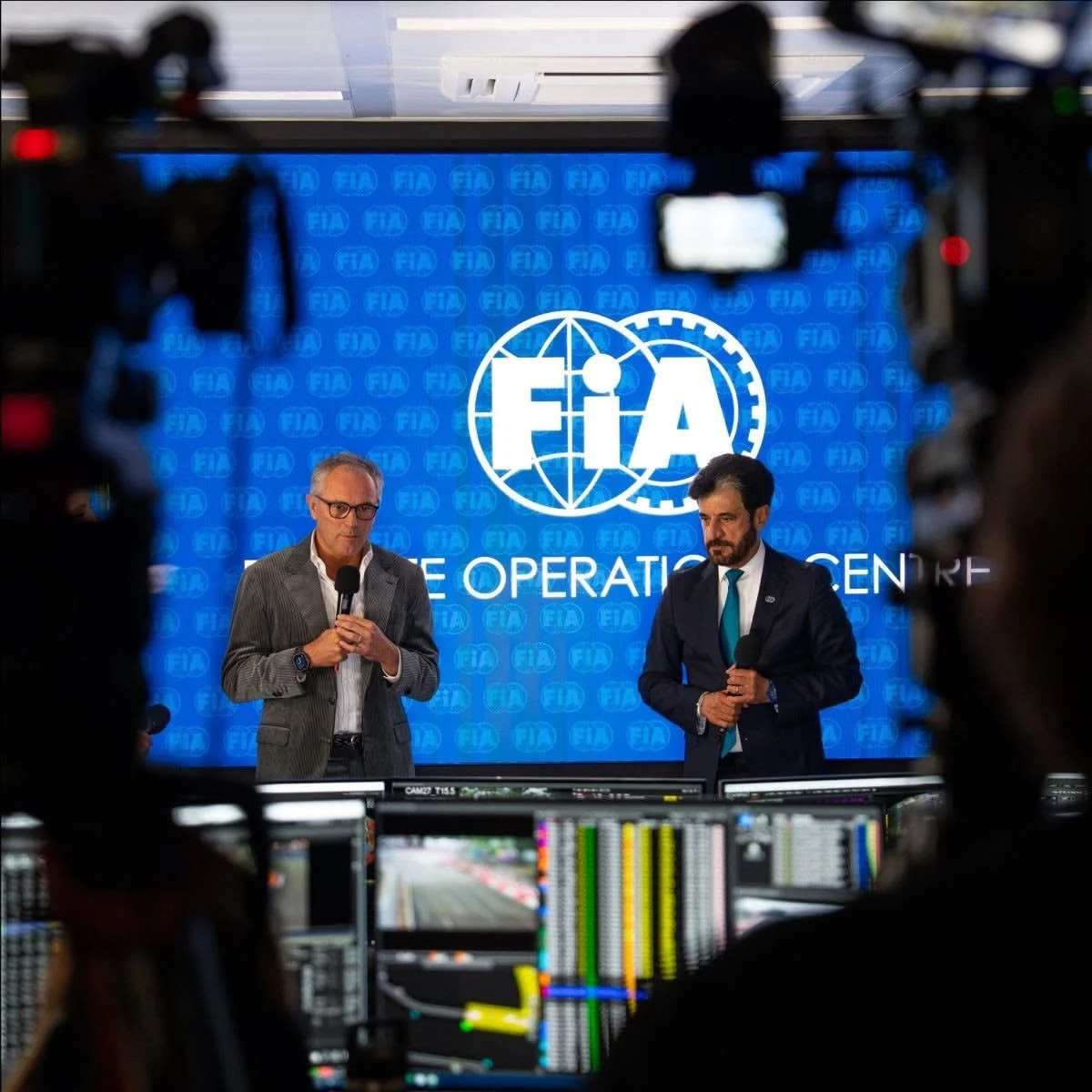
Image credit: FIA
“This world-leading facility will support the FIA’s trackside activities across Formula 1, Formula 2 and Formula 3, strengthening the operations that are essential to fair and consistent competition.”
Training the next officials
The ROC is also tied to the FIA's High Performance Programme for Officials, which since 2023 has offered stewards and race directors from around the world personalized training and a pathway to World Championship level. The FIA says the two programs together are intended to build a stronger and more diverse pool of officials. FIA President Mohammed Ben Sulayem framed the investment around the championship's growth.
“As the Championship grows globally, it is vital that we continue to invest in the people, technology and infrastructure that underpin world-class race operations.”
The ceremony was also attended by FIA Single-Seater Director Nikolas Tombazis, FIA Sporting Director Tim Malyon, and FIA ROC Team Leader and Regulations Specialist Steve Porter, along with members of the operations team.
For most viewers, the ROC's work surfaces only as a race control message, a time penalty or a stewards' decision document. Behind each of those lines are officials whose names rarely reach the screen and who, as the Dutch Grand Prix showed again this year, can still become targets when fans disagree with a penalty. The FIA's stated aim for Biggin Hill is faster, more accurate and more consistent support for those officials, spreading a workload that the Abu Dhabi report found too heavy for a single race director.