

Formula 1 in Malaysia - More Than Just a Stand In
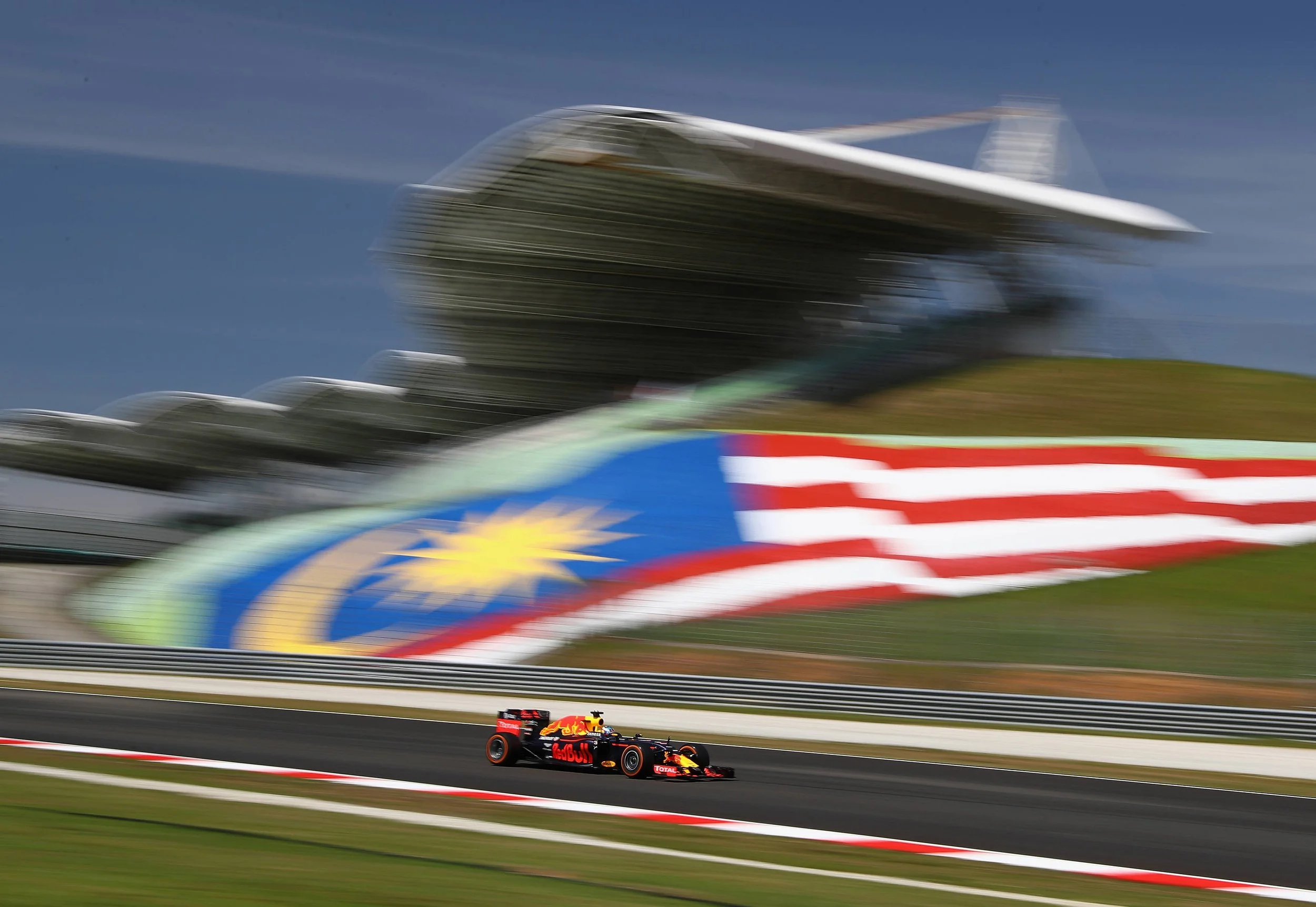
Image credit: Red Bull Content Pool
Formula 1 returned to Malaysia last weekend for a one off appearance as the Sepang International Circuit stood in as a replacement venue for the Bahrain International Circuit due to the ongoing conflict in the Middle-East. The sport hadn’t raced at this beloved venue for just shy of a decade with almost half of the drivers on the grid this year having never competed there in any form of motorsport. With the region famous for its changing weather conditions that have brought us a number of memorable moments before in the past as well as being a circuit that just naturally shakes up the pecking order, Malaysia’s, too brief, return to the calendar was a welcome one despite the circumstances that brought it about. For more seasoned fans, it gave them the opportunity to go back in time and enjoy the nostalgia of such a gorgeous race track while giving new fans somewhere new to discover and explore for the very first time.
It was just before the turn of the millennium in 1999 when Formula 1 first went racing at Sepang. None of the drivers, not even Fernando Alonso, were on the grid back then. Instead, Mika Häkkinen was having the time of his life as he was in the process of winning his second World Championship for McLaren while fending off the likes of Eddie Irvine and Heinz-Harald Frentzen behind him. Michael Schumacher only had two of his seven World Championships, Damon Hill and David Coulthard were still actively competing and Jacques Villeneuve retired from all but four Grand Prix that season, failing to score a single point in any of them. Winning a race only got you ten points and points themselves were only awarded down to sixth place. It was in that era that the sport first visited Malaysia.
Irvine won the inaugural race with Michael Schumacher in second place (in his first race back in the car after breaking his leg at Silverstone earlier that same year) with Häkkinen in third. Herbert, Barrichello and Frentzen were the last of the point scorers. Serving as the penultimate race of the year, Häkkinen and Irvine remained locked in a tight battle leaving Malaysia with just four points between them. It was a race of consequence, strategy and controversy and had the entire Formula 1 world talking about Malaysia.
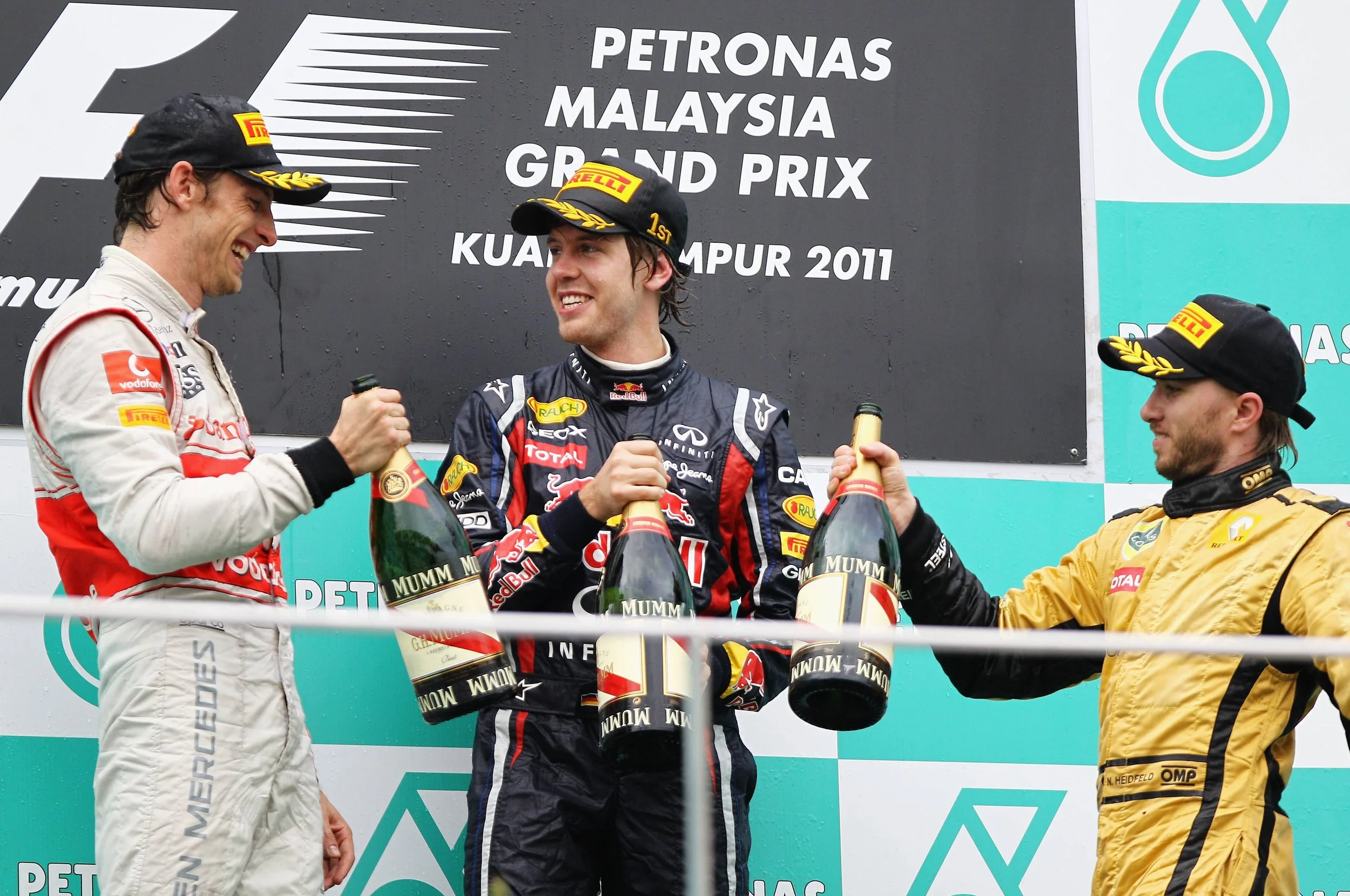
Image credit: Red Bull Content Pool
The sport returned every year after that until 2017, enjoying almost two decades worth of racing. As a result, we witnessed eleven different Grand Prix winners with Sebastian Vettel achieving the most (four) as well as getting twenty-four different drivers on the podium, including Jarno Trulli, Nick Heidfeld and Timo Glock, as well as Sergio Perez - Malaysia being the setting for his first ever podium in Formula 1 back in 2012. Some of the more iconic moments from the sport’s time in Malaysia include Kimi Räikkönen’s maiden win in 2003, a washed out race in 2009 where half points were awarded, the infamous Multi 21 Seb situation at Red Bull in 2013, Vettel’s first win for Ferrari in 2015 and Lewis Hamilton’s engine blowing up in 2016, thus massively denting his chances of winning the World Championship and resulting in Daniel Ricciardo securing victory instead.
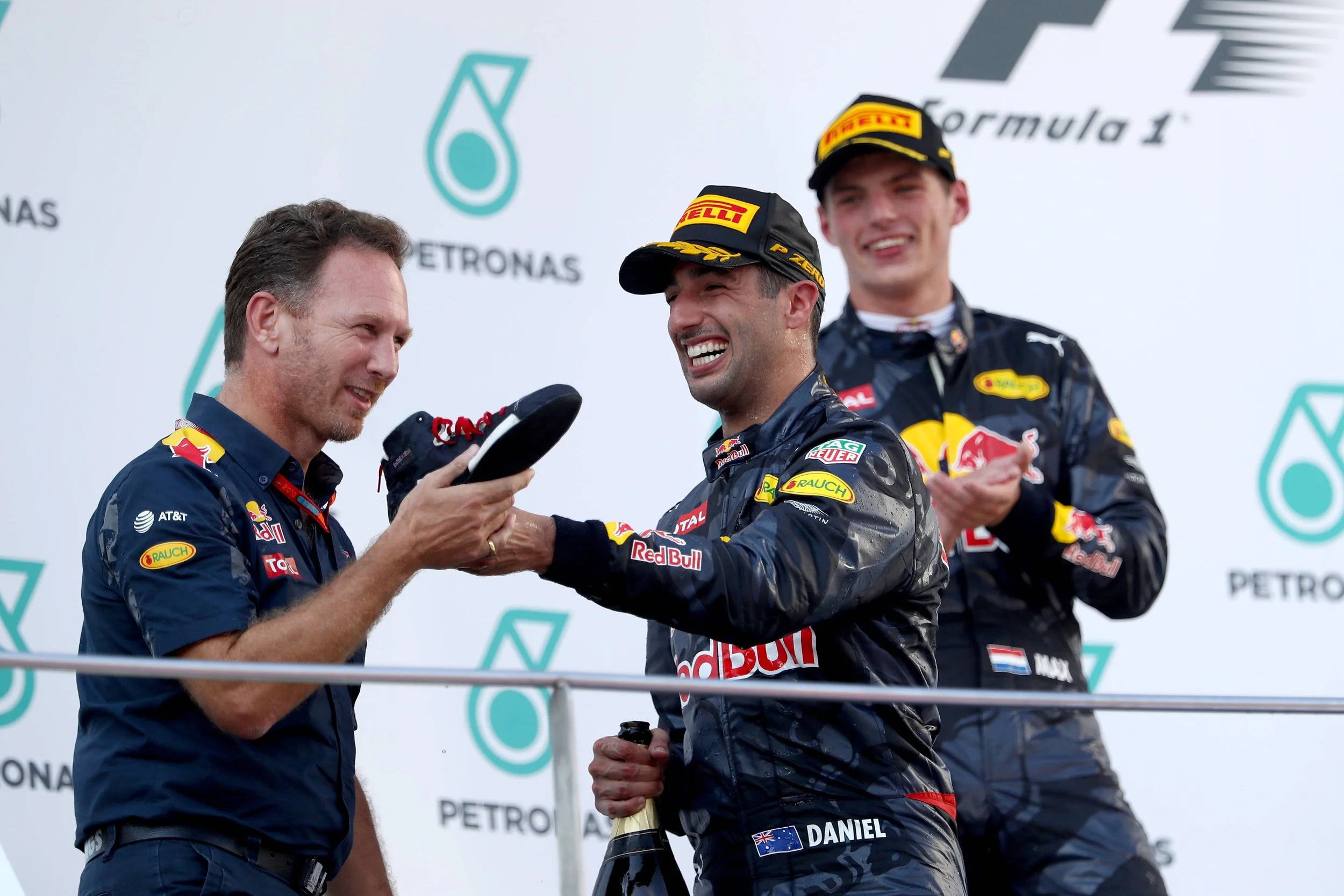
Image credit: Red Bull Content Pool
Malaysia fell away from the calendar due to financial reasons with Max Verstappen winning the final Grand Prix there in 2017. While the circuit has remained in use since then, it wasn’t until the inability to race in Bahrain this year that the Sepang International Circuit next had a chance to return to the Formula 1 calendar. With finances still at play, Bahrain struck a deal with Malaysia to host their Grand Prix in Malaysia instead - hence the title for the Grand Prix being the Bahrain Grand Prix in Malaysia.
Not since 2020 have we had such a last minute change to the calendar and with it, a trip into both the familiar and the unknown. Twelve drivers had prior experience in Malaysia but obviously not since 2017 while the remaining nine had now been set the challenge of getting to grips with a brand new circuit. With long fast straights, tight twisting corners and, indeed, fast sweeping ones, the circuit in itself can be a challenge. Lance Stroll couldn’t even navigate it successfully on the cool down lap in 2017 when he proceeded to crash into Sebastian Vettel in one of the more bizarre incidents in Formula 1. An extra challenge of Malaysia too is the climate. Hot, humid but also ripe for thunderstorms and torrents of rain, it’s a location that takes a toll on the drivers when it comes to Grand Prix racing. While good training for Singapore, the more seasoned or more easily acclimated drivers would have an advantage here because they’d know a little of what to expect. For everyone else, Malaysia looked set to be a force to be reckoned with.
So how did the Malaysian Grand Prix fare on its one off return to Formula 1?
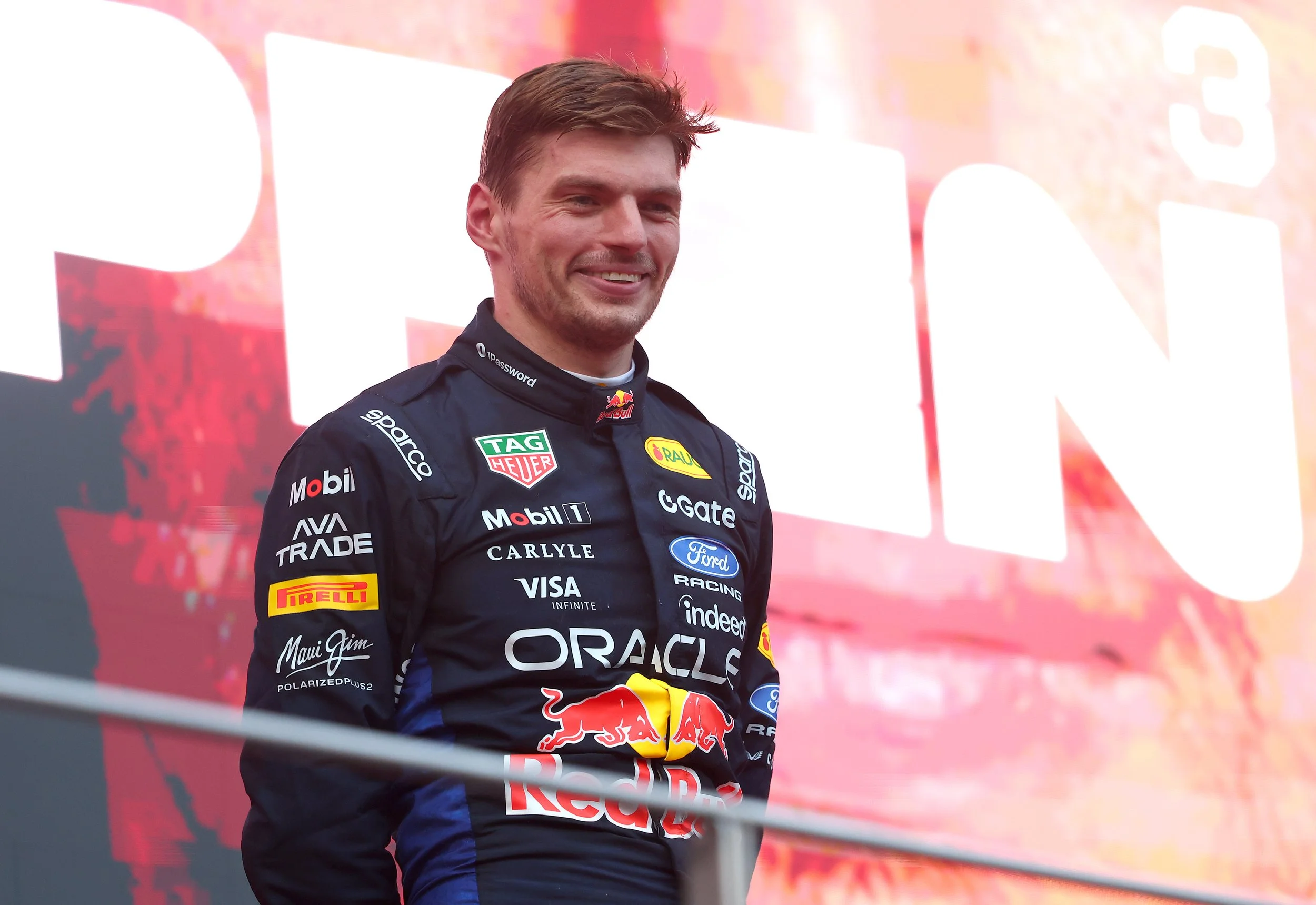
Image credit: Red Bull Content Pool
From a racing standpoint, it was arguably one of the better Grand Prix of the season. The wet conditions trackside that caused the race to be delayed by over ninety minutes took away the opportunity for us to see this brand new generation of cars racing in properly wet conditions - but we did get to see the cars in action in the wet as conditions improved and the race got underway. This then resulted in a variety of tyre strategies that saw teams and drivers gamble up and down the grid with varying levels of success.
Max Verstappen won not only his first Grand Prix of the season, but the seventy second of his career - matching Michael Schumacher’s record for number of wins with a single team. In doing so, he achieved Red Bull’s first victory with their own power unit too. It was a performance that reminded us of Verstappen in his era of domination and demonstrated that Red Bull may be on the back foot this year, but they’re certainly already bouncing back.
Kimi Antonelli finished in second place to extend his Championship lead even further while George Russell retired from the race in the final quarter with a suspected power unit issue. The incident mirrored that of Hamilton’s car failing him and ultimately costing him the Championship in 2016. The same now looks set to come true for Russell.
Lewis Hamilton had a chaotic day. Starting alongside Max Verstappen on the front row of the grid for the first time since the Hungarian Grand Prix in 2023, the Grand Prix was set up for a blockbuster confrontation between the pair. But a mistaken tyre call by Ferrari left the seven time World Champion over a minute behind Verstappen down in seventeenth after only a handful of laps once the race began and took that possibility away from us. What followed though was a herculean drive from Hamilton as he patiently and methodically worked his way back through the pack, only pitting once (while other drivers pitted at least twice or three times if not more) and somehow ending up back on the podium in third place. A second Grand Prix victory of the season was on the cards for Hamilton here and while bittersweet knowledge, it’s also encouraging that he and Ferrari are continuing to move in the right direction under the helm of Fred Vasseur.
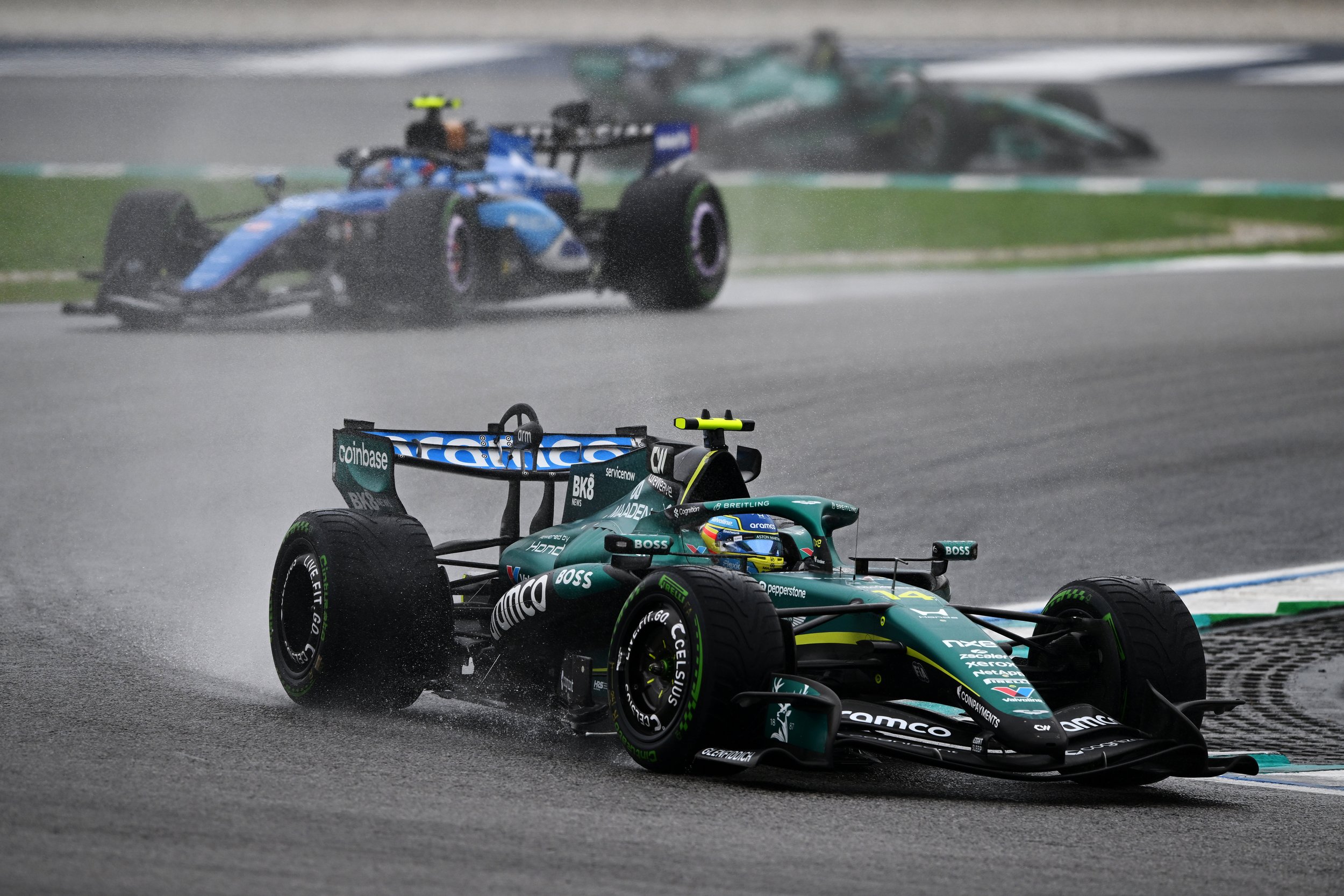
Image credit: Honda Racing Media Centre
Behind the podium, Racing Bulls achieved their seventh double points finish of the season while Fernando Alonso gave Aston Martin their best finish of the season so far by coming home in eighth place - ahead of defending World Champion Lando Norris. Alonso gave the fans at the circuit and those watching from around the world plenty to enjoy too with a number of his on track battles, such as the move he made to get past Arvid Lindblad.
Nico Hulkenberg was racy too as he produced a double overtake going into T4 to move up to eleventh place. Verstappen’s overtake on Antonelli to retake the lead later in the race was met by an enthusiastic response from the crowd - but this was eclipsed by the reaction that the fans trackside had when Lewis Hamilton moved past Isack Hadjar for fourth place. The fans simply erupted and their passion could not be denied that day. It was exactly what Formula 1 needed.

Image credit: Red Bull Content Pool
There were some negative aspects to the weekend both on and off track.
Fans on Friday struggled to get home on time due to organizational issues trackside that kept many stranded and wondered what was going on. Given the one off nature of the event, the reaction wasn’t as bad as it could have been but still highlighted an important issue should Formula 1 return to the circuit again in the future.
On track, Haas, Williams, Audi and Alpine all failed to score points in a race where the possibility for massive rewards was more plentiful than normal and will be licking their wounds before heading to Singapore. In a race where conditions are mixed at best, we’ve seen teams flourish that we ordinarily don’t. Look at Alpine’s double podium in Brazil in 2024 or Nico Hulkenberg’s maiden podium with Sauber in Silverstone in the same year. That didn’t happen here with the exception of Fernando Alonso and demonstrates potentially the severe weaknesses that these teams at the rear of the field are facing in 2026.
At the start of the Grand Prix too, a number of the teams struggled in the wet conditions to such an extent that the FIA had to step in to enable the teams to perform a software update on the cars so that everyone could go racing - not something that looked especially appealing or good for Formula 1 at that moment in time.
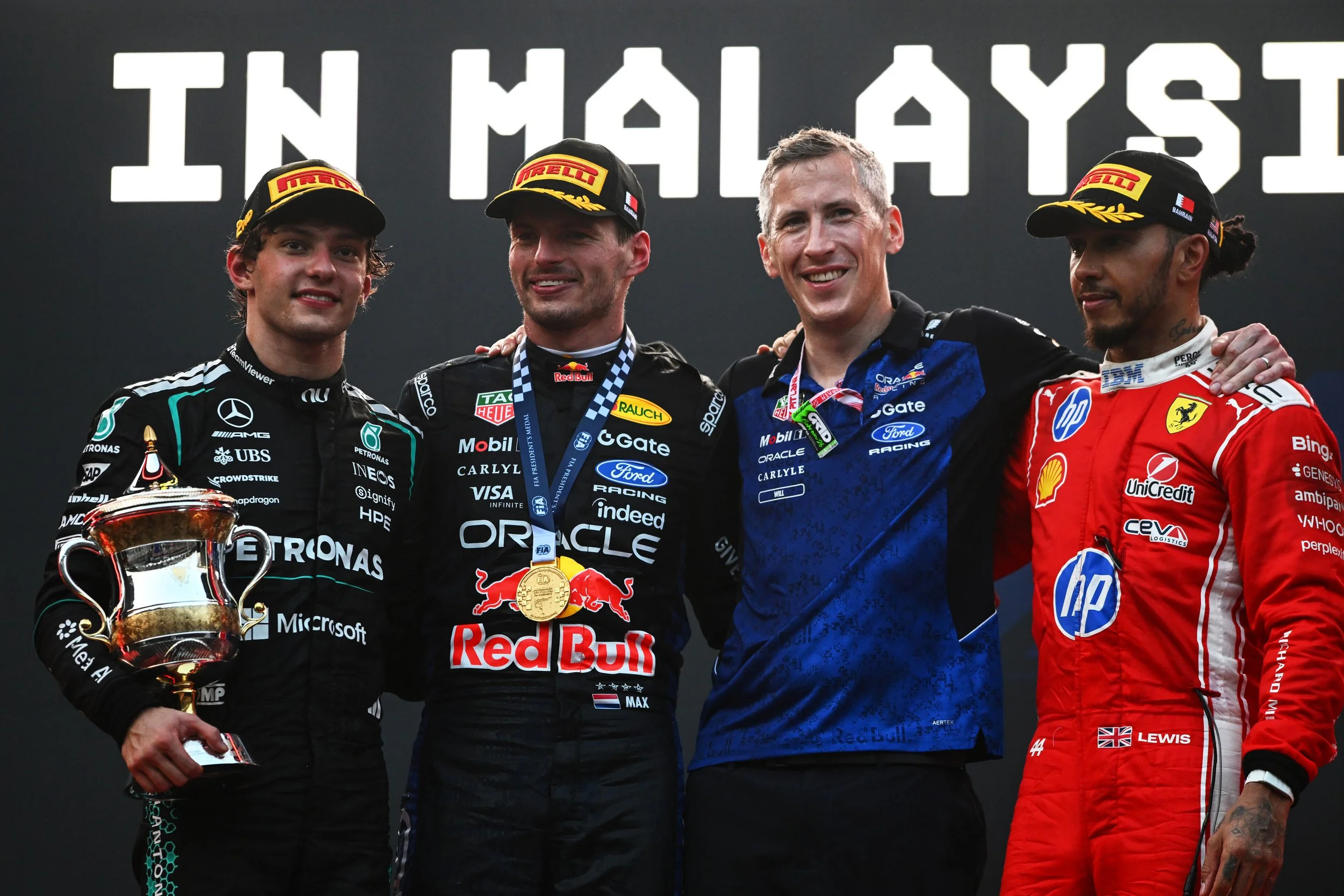
Image credit: Red Bull Content Pool
All in all though, Formula 1’s return to Malaysia was not only a welcome one but a successful one - on and off track. Fans and drivers alike rejoiced at the characteristics of the circuit and the on track product that it delivered. The attendance was a record breaking one with over 260,000 attendees across the weekend. The issues that came about during the weekend were frustrating but given such a short time to make this event possible, it was never going to be perfect - and that’s OK. Madrid taught us that while everything can look perfect on paper, reality will be where it matters. Malaysia proved that too so while it wasn’t all smooth sailing, none of that ultimately detracted from the weekend and, if anything, the entire experience left everyone wanting more from Sepang. Malaysia isn’t on the Formula 1 calendar for 2027 (yet) but many will be hoping that that changes in 2028.