

Alpine - In the Ascendancy or a Flashpoint Moment?
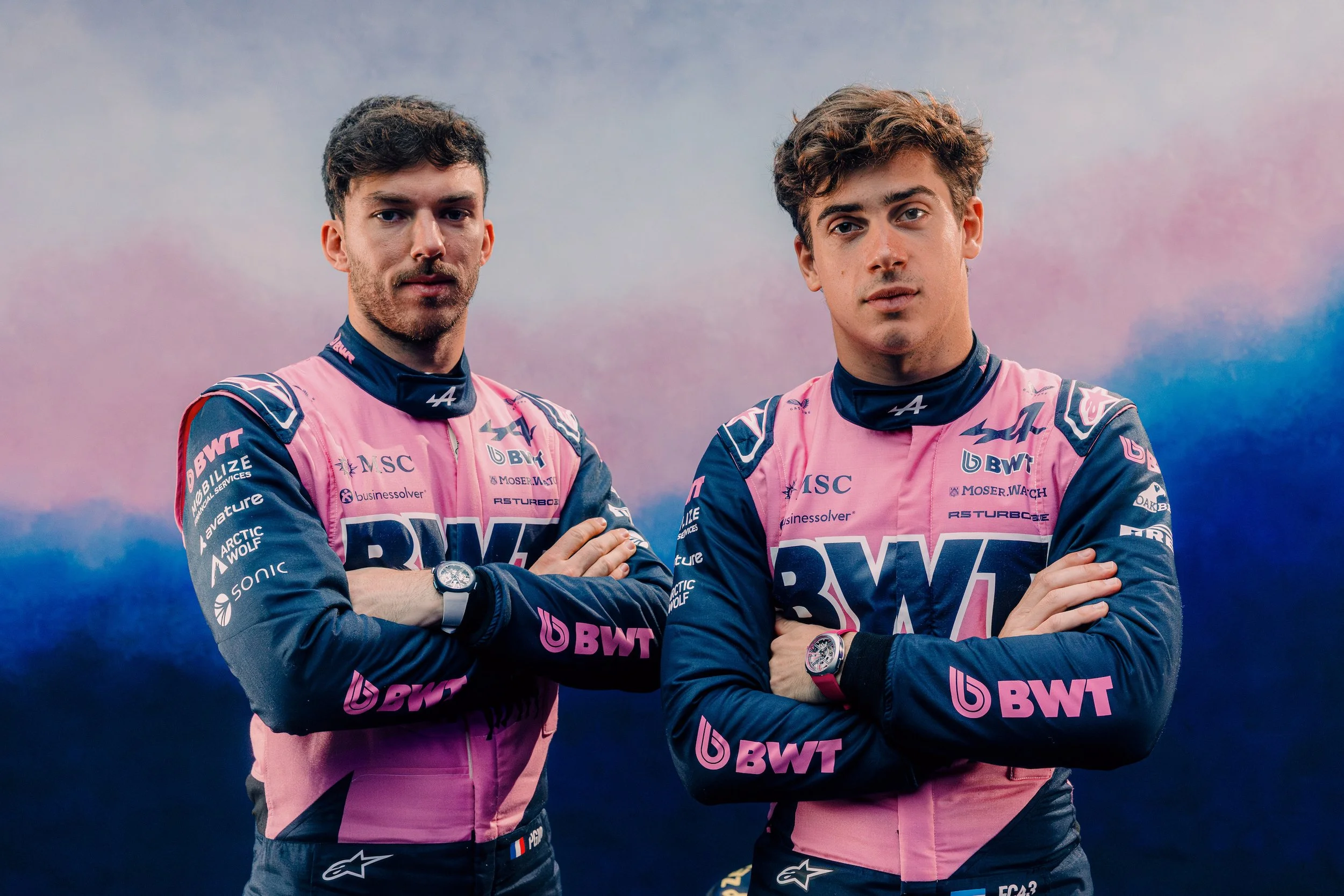
Image credit: Alpine Media Centre
Coming away from the Canadian Grand Prix, there were a plethora of headlines for everyone to focus on. From the commitment shown by Mercedes to emulate their version of the ten year challenge to Hamilton and Verstappen sublimely duking it out with one another for the podium positions and McLaren showcasing one of the most costly strategic blunders of recent times. But a little further back in the field - a field that saw every car up to and including Isack Hadjar in fifth place lapped at least once - another story was quietly in the process of writing what just might be a promising next chapter.
Could 2026 finally be the year that Alpine emerges from the shadows in its bid to get back on top?
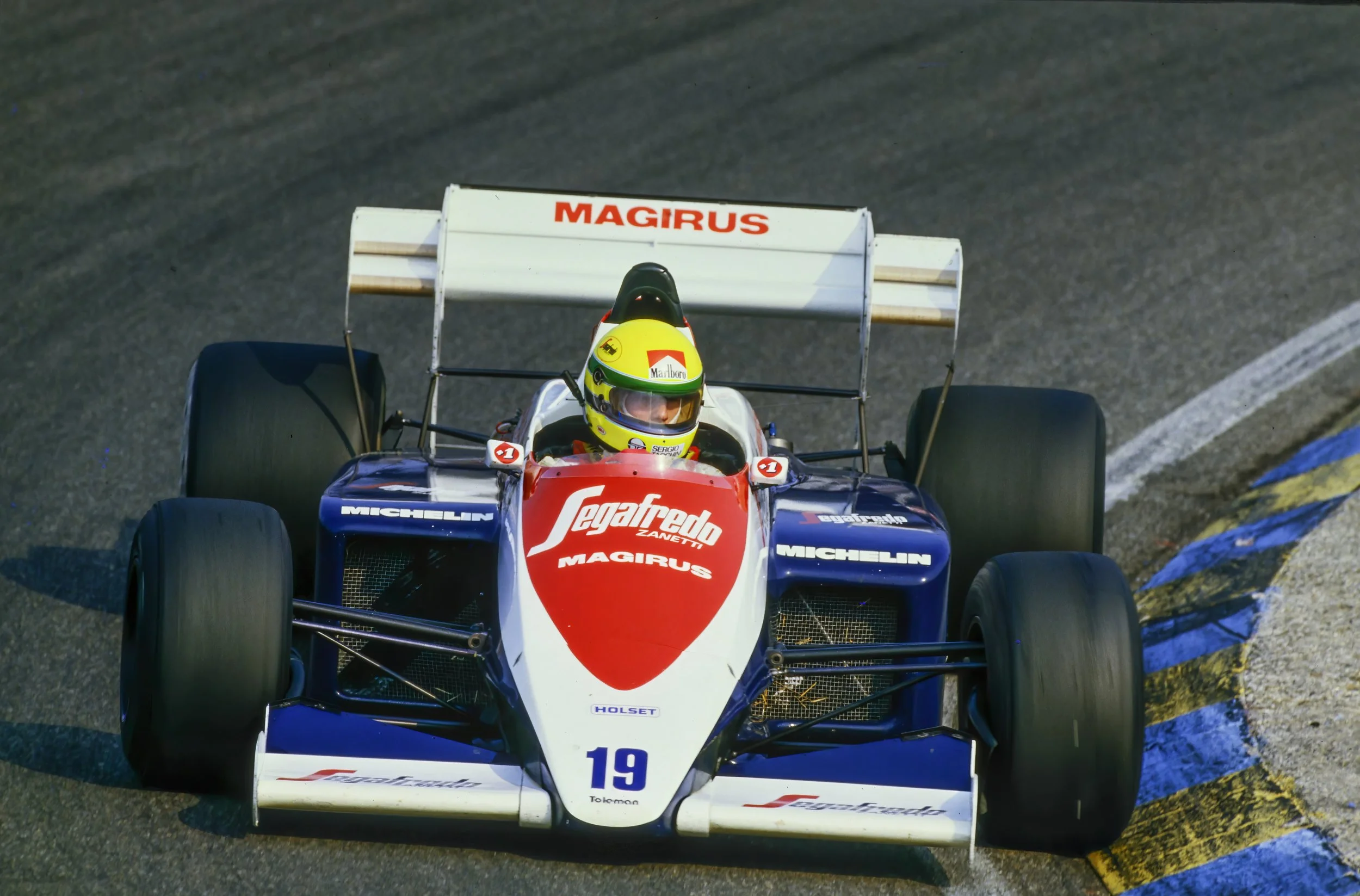
Alpine’s history in Formula 1 dates back all the way to 1981. At the time, it wasn’t Alpine - but Toleman, a team that made the move up into F1 from Formula 2. Founded by Ted Toleman and Alex Hawkridge, the team made their debut at that year’s San Marino Grand Prix with Derek Warwick and Brian Henton competing for the outfit. The team entered a total of seventy Grand Prix but failed to capture much success. Today it’s principally remembered for being the team to give Ayrton Senna his Formula 1 debut in 1984.
Benetton then bought and subsequently took over the team from 1986 until 2001. This was a much more successful period for the team that saw them collect one-hundred and two podiums, twenty-seven of which were Grand Prix wins, from the two-hundred and sixty races that they entered. Imola would be a notable location for them again as it was the circuit at which Gehard Berger secured their first podium in their maiden season. That same season saw Berger also take their first victory in Formula 1 at the Mexican Grand Prix. A team on the rise, Benetton had solid results over the next few seasons. But that would all change going into 1990 as a new and much more prosperous era was about to begin. The Benetton family fired the team management ahead of the new season and swiftly brought in one of their own as a replacement.
Enter Flavio Briatore. An extravagant and polarising figure even then, the thought process behind his appointment wasn’t immediately clear to those on the outside. But it wasn’t long before the Italian began to make his mark on both the team and the sport.
A year later, American cigarette brand Camel came on board as a title sponsor, Briatore recruited rookie Michael Schumacher to the team (much to the protest of Eddie Jordan) and partnered him alongside World Champion Nelson Piquet for the second half of the ‘91 season. From 1992 until 1997, Benetton enjoyed a golden age that included winning two Driver’s Championships with Schumacher and a Constructor’s Title in 1995 when Schumacher was teamed up with Johnny Herbert. The team entered a period of decline thereafter with the German Grand Prix marking the last win for Benetton, fittingly won by Gerhard Berger in what would also be his last Formula 1 victory.
Ahead of the 2000 season, Renault bought the team before taking it over fully in 2002. The team was back to contending at the sharp end of the field in 2005 when it took on the might of Ferrari. Fernando Alonso was with the team by this point, after being recruited by Briatore, and it was the Spaniard that took on and stole the crown from the dominant force of Michael Schumacher after five years at the top of the sport. In 2006, Alonso won his second title with the team, echoing back to just over a decade before when Schumacher had achieved the same feat with Benetton.
Briatore remained at the helm all the while and his presence in creating and recreating significant moments in Formula 1’s history was now unquestionably felt throughout the sport.
The team morphed and endured hardships over the following years. The biggest of these was the Crashgate Scandal where Nelson Piquet Jr. claimed that Briatore and Chief Engineer Pat Symonds had told him to crash deliberately during the 2008 Singapore Grand Prix, an order which he obeyed, to help his teammate Alonso gain an advantage over the rest of the field. Briatore denied the accusations but such was the magnitude of the controversy and the evidence against him that he was forced to resign alongside Symonds with both temporarily banned from the sport by the FIA. It proved to be one of the biggest scandals in Formula 1 history and remains a hot topic to this day.
Briatore was not involved in Formula 1 for over a decade, during which time he criticized the series for not focusing enough on the entertainment factor of the sport and for relying too much on technological innovation. While out in the wilderness, Renault existed in various forms, including most notably, in 2011, as Lotus and as engine suppliers for the likes of Red Bull, before returning full time in 2016. Over the following four seasons, they enjoyed moments of success and rose back through the mid field but never higher than fourth overall. During this period, they cycled through many noteworthy drivers, including Nico Hulkenberg and Jolyon Palmer, as well as a significant number of team leaders - figures such as Cyril Abiteboul, Otmar Szafnauer and Ollie Oakes. The team wasn’t bad but it was also seemingly incapable of replicating its past success in the modern era either.
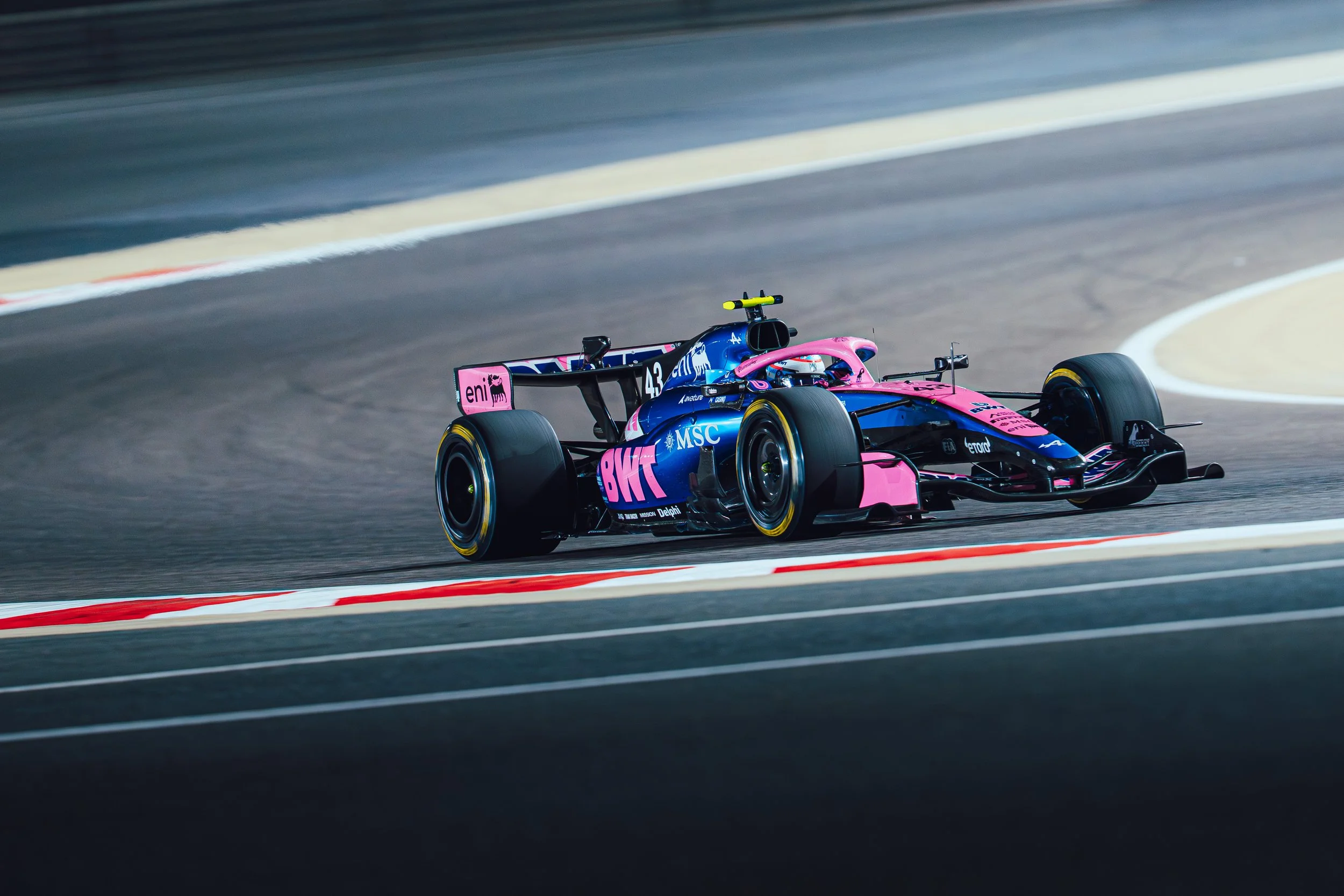
Image credit: Alpine Media Centre
In 2021, the team rebranded again into Alpine, essentially Renault 2.0, and this is the team we still see on the grid today. Fernando Alonso returned from his sabbatical to partner Esteban Ocon that year, with the latter providing the team with a Grand Prix victory at the Hungarian Grand Prix. It was their first win since Kimi Räikkönen won the opening race of the 2013 season in Australia. In 2022, despite not winning any races or getting onto the podium, Alpine finished fourth overall. But since then, they’ve been in a period of decline and finished the 2025 season at the bottom of the Constructor’s Standings with just twenty-two points - forty-eight away from nearest rivals Kick Sauber. Surely this was just part of the team's infamous 100 Grand Prix plan - launched in 2021 with the aim of achieving regular podiums by 2024 - and part of their overall vision? Perhaps not.
All of this history is important when taking the events of this season into consideration.
The overhaul of regulations ahead of the 2026 season provided Alpine with an opportunity and this has so far given the motorsport world something interesting to talk about - a possible resurgence for a once significant team. The team justified their lackluster performance last season by stating that they were putting all of their efforts into the 2026 car, with the aim of jumping ahead of any number of their competitors on the grid. It was a nice soundbite but one that has been spouted many times before by other teams in Formula 1, only for the end result to be underwhelming to say the least.
However, Alpine have now got something that those other teams didn’t. After the best part of two decades out in the cold, Flavio Briatore shocked everyone by returning to the team in 2024, initially in a supporting role. But following the sudden and dramatic exit of Ollie Oakes that same year, Briatore all but reassumed control of the Formula 1 team that he’d presided over for decades. Much like his arrival in 1990, it wasn’t long before his return was felt throughout the organization.
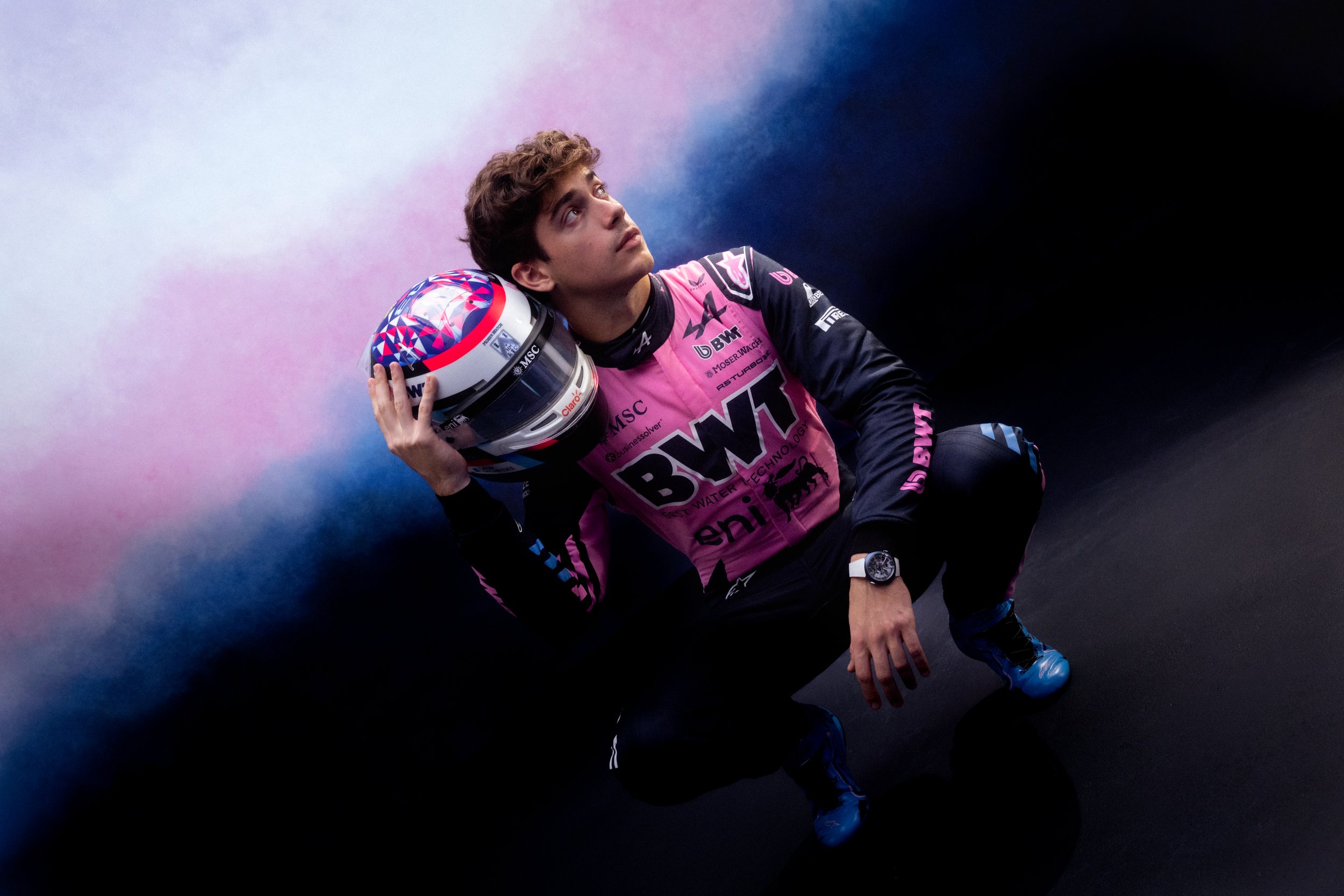
Image credit: Alpine Media Centre
In 2025, he swiftly cast Jack Doohan aside after only six Grand Prix in favour of Franco Colapinto - the first Argentine driver since Gastón Mazzacane in 2001. A driver with minimal F1 experience but a lot of financial backing, the reasoning behind the switch was not difficult to work out. But the results would still need to come to smooth over the sudden ousting and justify Franco’s retention by the team in the long term. Colapinto’s highest result was P11 last year in Zandvoort. It was something he only achieved once and it was the first and only time he bettered Doohan’s best result of P13 from China. On the other side of the garage, experienced Grand Prix winner Pierre Gasly became responsible for scoring all twenty-two of Alpine’s points over the course of the season. But Colapinto was retained ahead of 2026 alongside Gasly and this continuity, with the Briatore stamp of approval, was seen as important foundation work that was intended to set up success for the future.
It wasn’t the only change. Alpine ditched their own Renault made power units in favour of Mercedes’ and set about creating a vastly improved aerodynamics package for 2026. When Formula 1 went racing in Australia, the first glimpses of these being positive changes could be seen when Gasly finished in P10. The Frenchman has gone on to score points in every Grand Prix he’s finished this year (Miami is the sole exception after a collision with Lawson), including in the Miami Sprint Race. Colapinto too has improved. After a pointless 2025, the Argentine finally scored points in China and went on to score his first back-to-back points finishes in Formula 1 in Miami and Canada. Gasly remains the superior driver when put head to head with Colapinto in Qualifying and Grand Prix results though. The only metric under which he doesn’t win out so far is in Sprint Qualifying which Colapinto leads 2-1.
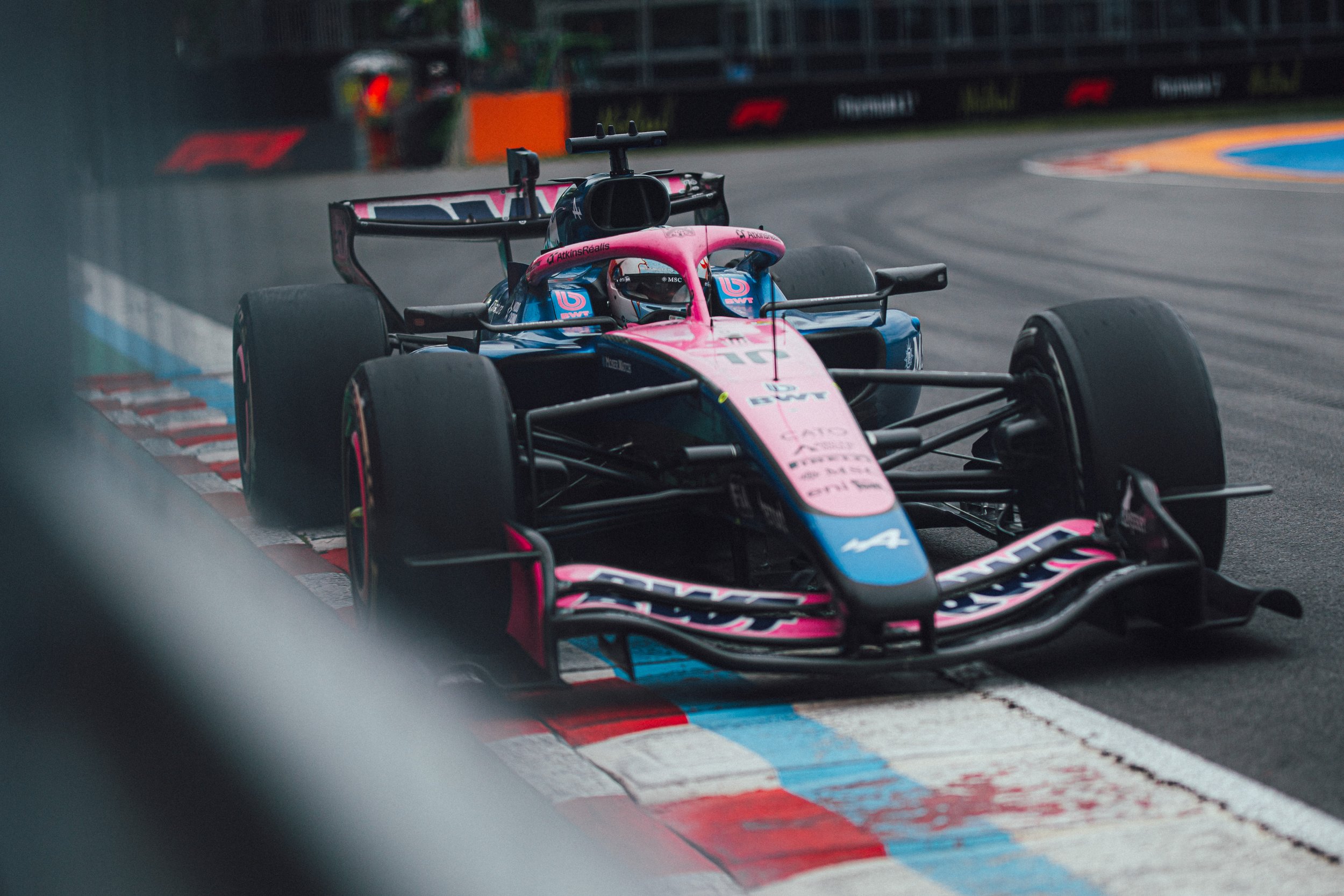
Image credit: Alpine Media Centre
The car looks promising. Both drivers are working well and improving with Colapinto on the fringes of becoming a driver that Gasly may have to worry about. The FIA’s Ex Head of Aerodynamics has now also joined the team as Alpine’s new Deputy Technical Director and Audi took inspiration from the team when deciding to switch to a rear wing that was not similar to that of Alpine’s.
But Briatore isn’t done yet.
Much like the arrival of Camel back in the 1990s, Flavio has been working behind the scenes to recapture the magic from his early days in the sport. The latest example of this comes in the form of the announcement that from 2027 onwards, Gucci would be replacing BWT as the title sponsor for the Alpine Formula 1 Team. It’s a massive move that has gotten the motorsport world talking and is a not so subtle reminder of who is running the show at Alpine.
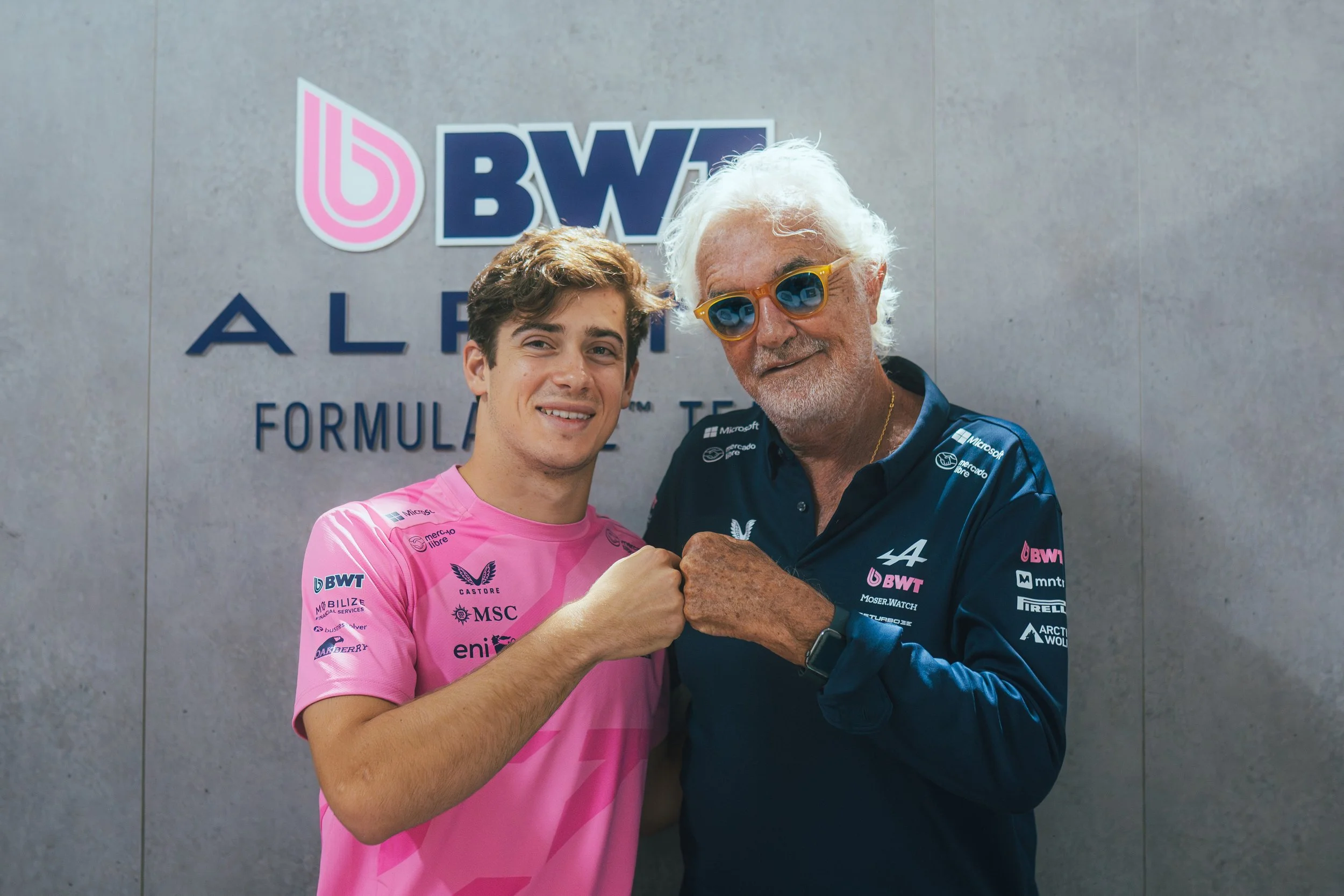
Image credit: Alpine Media Centre
A figure who is not afraid of controversy or speaking his mind (the two often come hand in hand), Flavio Briatore has somehow managed to weather the storms of his past to return to the sport and the team that put him on the map. His plan to bring Alpine/Renault/Benetton back to the top of Formula 1 is heading in the right direction and all he needs now is continued and improved success on track. Known for his ruthlessness, this may be where one final puzzle piece comes into place. With Colapinto appearing to both be on an upwards trajectory and the favoured driver for Briatore over Gasly, could the Frenchman be in danger of losing his seat if he can’t keep Colapinto behind him? With history echoing through the halls of Alpine, it wouldn’t be a far fetched scenario to imagine Briatore convincing long time friend and pupil Fernando Alonso to return to the team for his final stint in Formula 1. It would mirror the days of Schumacher and Piquet and give Alpine a blend of proven and sustained talent in the World Champion that is Alonso and potential for the future in Colapinto.
Only time will tell if this, or a version of it, is the next step in Briatore’s plan. But for a team that had their last podium in Brazil 2024 that saw both drivers on the rostrum, it’s safe to assume that Flavio won’t want to wait long before making that happen again - one way or another. Not only is Alpine in the ascendancy then but so too is the man at the helm. Mirroring successful team leaders of Formula 1’s past and present such as Toto Wolff, Christian Horner, Ross Brawn and Ron Denis, he’s in the process of once again making himself synonymous with the team.
Alpine is Flavio Briatore. Flavio Briatore is Alpine. Will that be enough to put the team back on top? Or will one man’s ambition to dominate be the final nail in the coffin for a team in desperate need of success for the sake of its long term survival?