

A Century of Leica Arrives in the Paddock
Two brands built on precision meet in the Leica Q3 43 Formula 1 Edition – a camera made for the human side of racing.
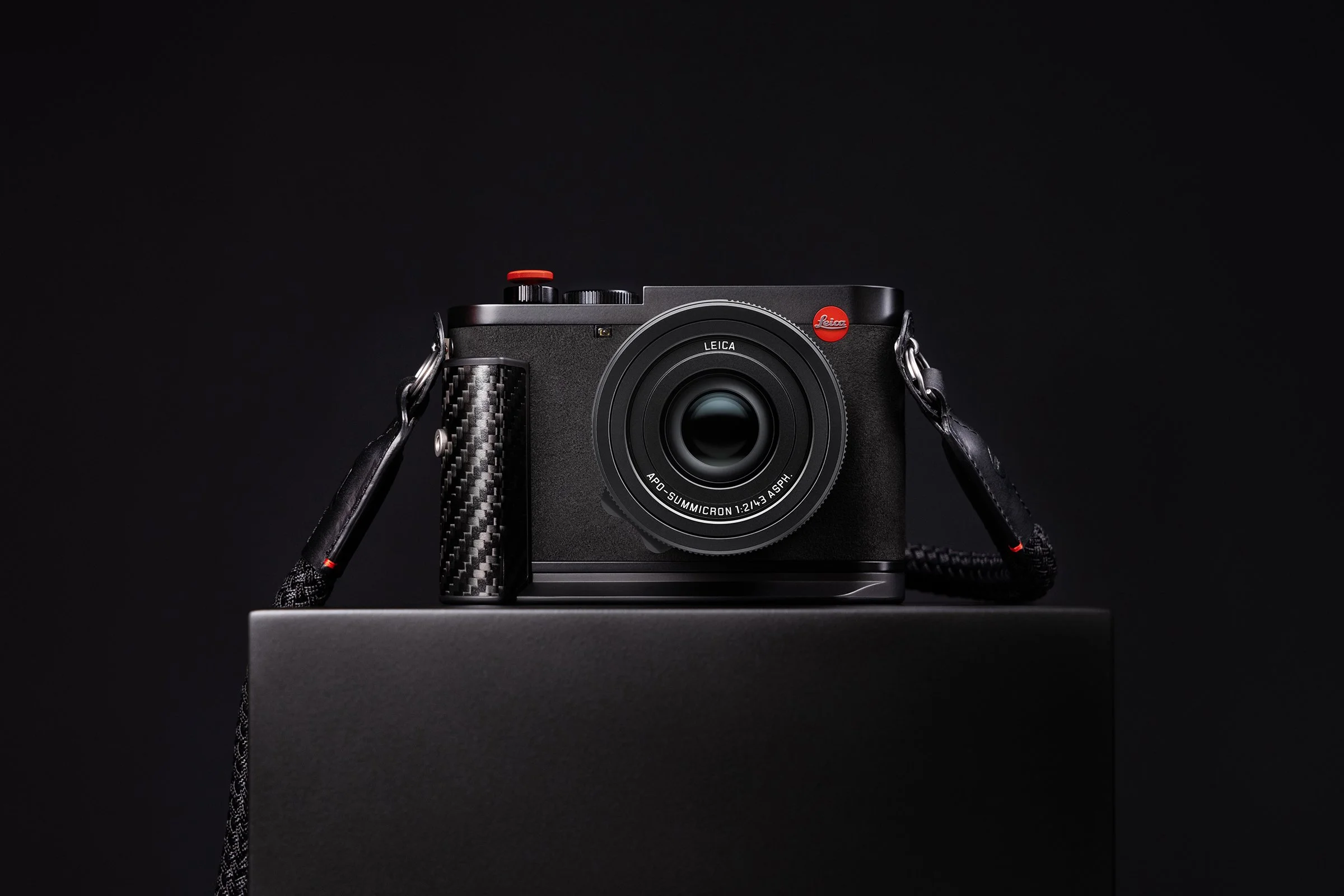
Image credit: Leica Camera AG
Pick it up, and the first thing your hand finds is carbon fiber. It covers the grip under your fingers, the material racing cars rely on for strength at very low weight. Your index finger rests on a shutter button ringed in red, and your thumb meets a red function button on the thumb rest, the same color-coding that helps a driver find controls quickly in the cockpit. The body under your palm is wrapped in non-slip black Microvelour, modeled on a racing steering wheel. On the front, a small red dot leaves no doubt that this is a Leica.
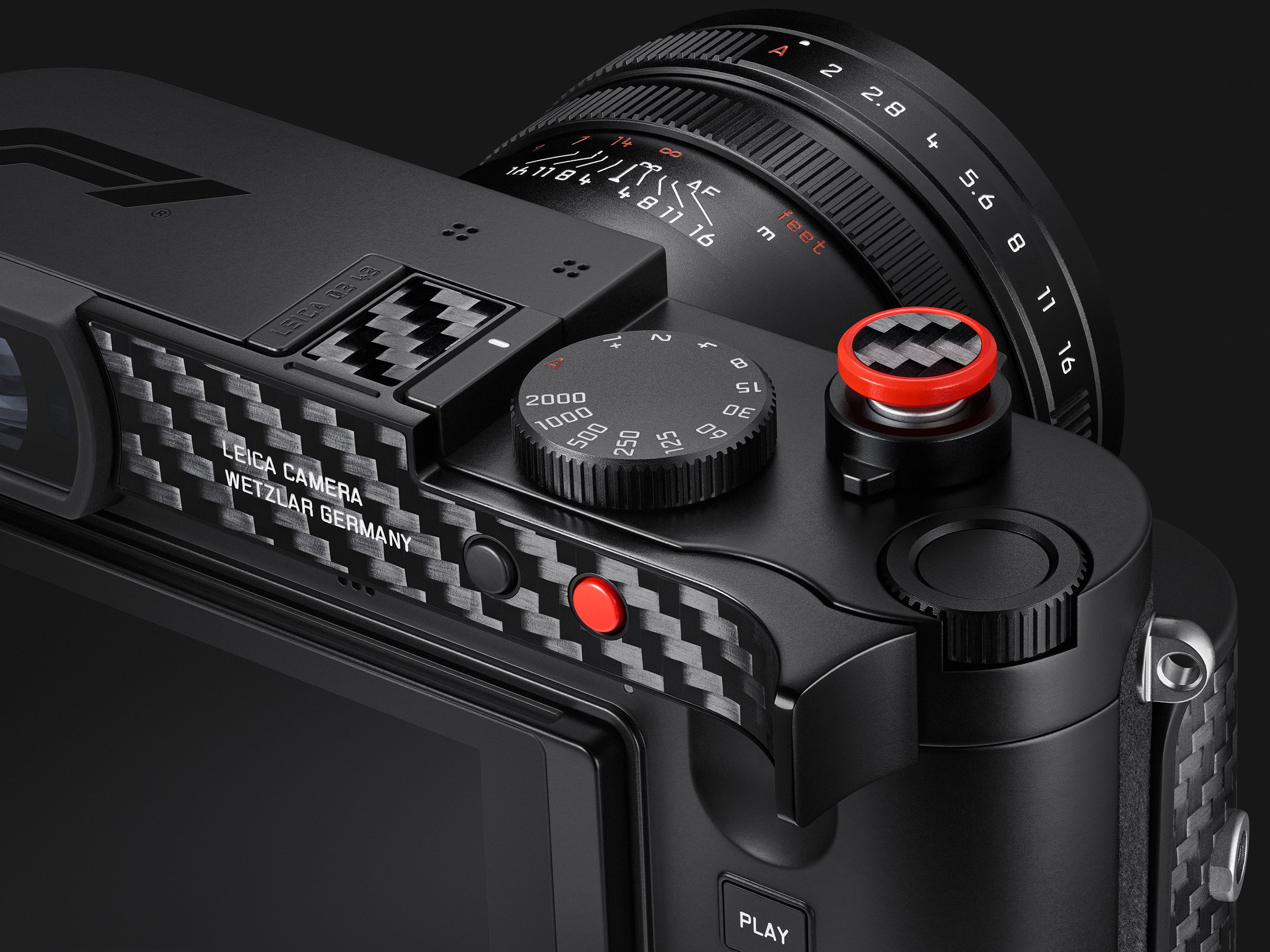
Image credit: Leica Camera AG
Leica Camera and Formula 1 announced a licensing partnership in Los Angeles on October 20 and debuted a special edition camera, the Leica Q3 43 Formula 1 Edition. In the U.S., Leica lists a retail price of $9,950, with sales through Leica Stores, the Leica Online Store and specialist retailers. Formula 1 presenter Ariana Bravo and 2009 World Champion Jenson Button presented the collaboration to guests at the Leica Store and Gallery in Los Angeles, where 26 motorsport photographs by the Italian photographer Callo Albanese were on display.
Photography and motor racing share one obsession, the moment that will never come back. Leica Camera CEO Andreas Voll made that point when he explained the sport's appeal in an interview published by Leica:
“It thrives on unique moments that can never be repeated.”
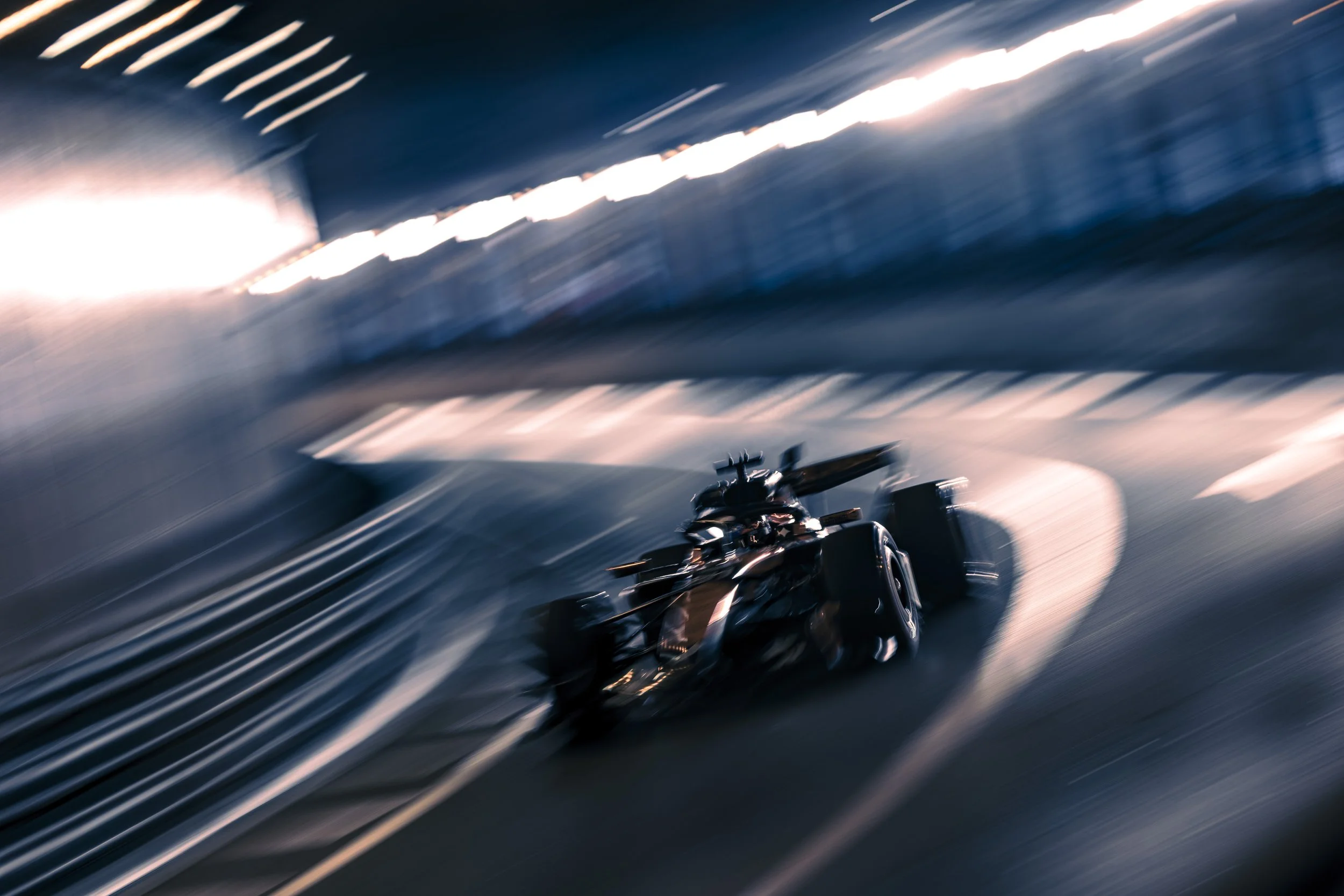
Image credit: Glenn Dunbar | Monaco Grand Prix, 2026
Leica describes Formula 1 as a global symbol of excellence, luxury and culture that now reaches far beyond racing. The same could be said of Leica.
Leica's story began with a practical problem. Oskar Barnack joined Leitz in Wetzlar in 1911 as a precision mechanic and soon became head of development for cinema and measuring technology. He photographed as an amateur, but he had asthma, and the bulky cameras of the day were too heavy for him to carry. So in 1913 and 1914 he built a small, light camera of his own, the Ur-Leica, which used 35mm cinema film to expose 24 × 36mm frames, the size photographers now call full frame, according to Leica's history of the Leica I. Mass-producing a 35mm camera was a real financial gamble for Leitz, and Ernst Leitz II ended the internal debate with a sentence the company still quotes:
“I hereby decide: we will take the risk.”
The Leica I was presented to the public at the Leipzig Spring Fair in 1925, and Leica celebrated the camera's centenary in 2025. According to Leica, the compact camera let pioneers such as Henri Cartier-Bresson and Robert Capa work close to their subjects, which helped lay the foundations of reportage and street photography. Cartier-Bresson took up the Leica in the early 1930s, and his work became closely associated with the idea of the decisive moment. Leica's announcement of the Formula 1 edition uses the same phrase.
The Formula 1 World Championship began at Silverstone on May 13, 1950, a quarter of a century after Leipzig, and its history has been shaped by fine margins as well. Leica says both brands are willing to spend months refining components that may be worth only fractions of a second. The company's release also compares the photographer to the driver: in the cockpit and behind the camera alike, the result rests on one person.
Carbon fiber is the clearest link between the camera and the car. Leica says it does not traditionally use the material in its cameras. In Formula 1, carbon's breakthrough came with the McLaren MP4/1, the car McLaren raced in the 1981 season and, according to McLaren, the first Formula 1 car built with a carbon fiber monocoque. When John Watson crashed it at Monza, the car was cut in half, but the monocoque stayed intact and he walked away. On the Leica, the carbon parts for the handgrip, soft-release button and thumb rest were made and tested exclusively in Germany.
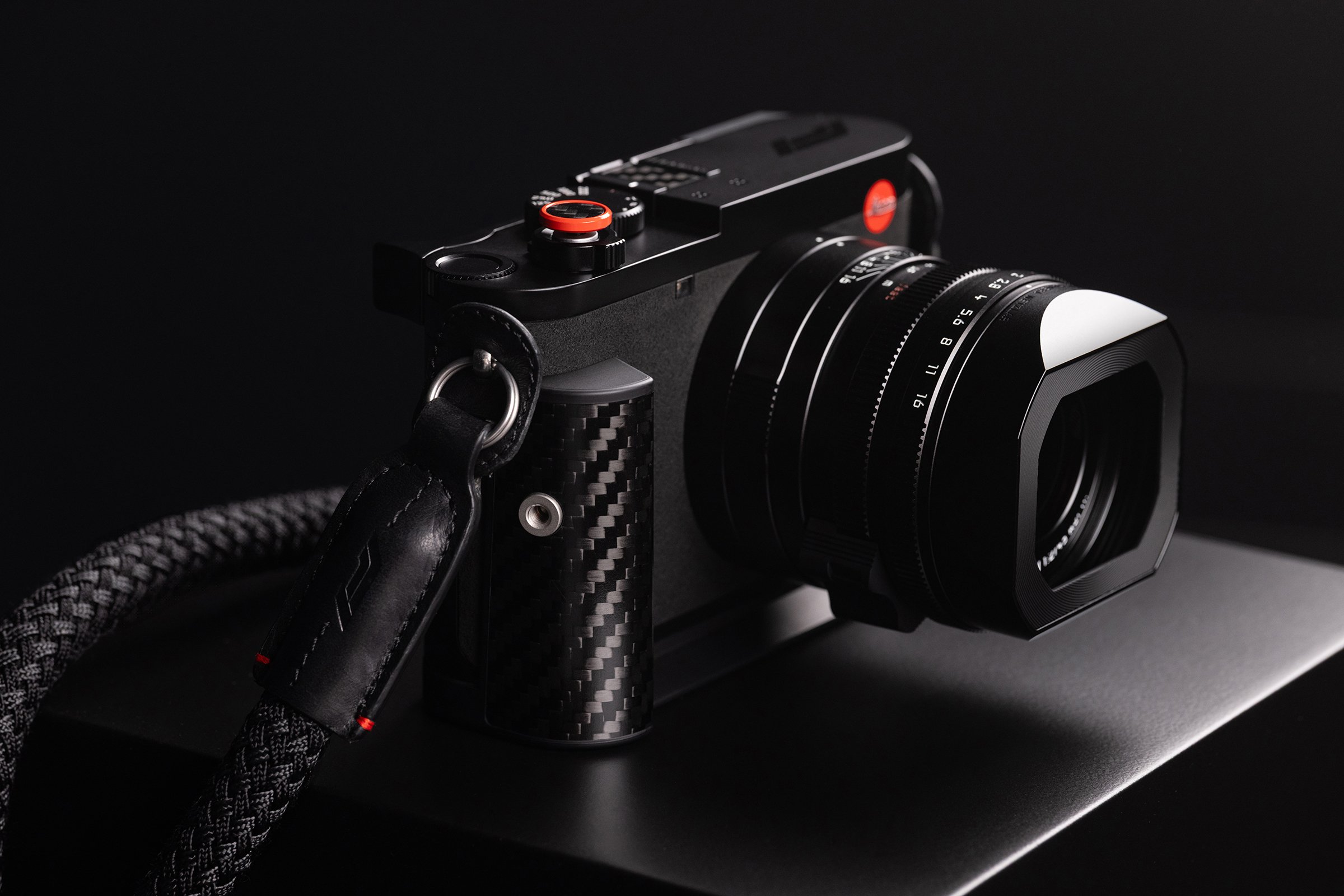
Image credit: Leica Camera AG
The F1 logo appears on the top plate and the lens cap, and the set includes a rope strap with both brands' logos. A dedicated "Formula 1" Leica Look, available only on this camera through the Leica FOTOS app, adds contrast and saturation and shows its effect in the viewfinder while you shoot. None of this changes the camera underneath. The edition keeps the full technology of the Leica Q3 43, from its 60-megapixel full-frame sensor to fast hybrid autofocus and extensive video functions, so it stays a working tool for photographers.
The lens is a fixed 43mm f/2 APO-Summicron. Leica describes its angle of view as close to the way the human eye naturally perceives the world, and its release names the paddock and the areas around the racetrack. For photographing the cars on track, photographers such as Glenn Dunbar, one of Paddock Influence’s founding partners, also carry long lenses.
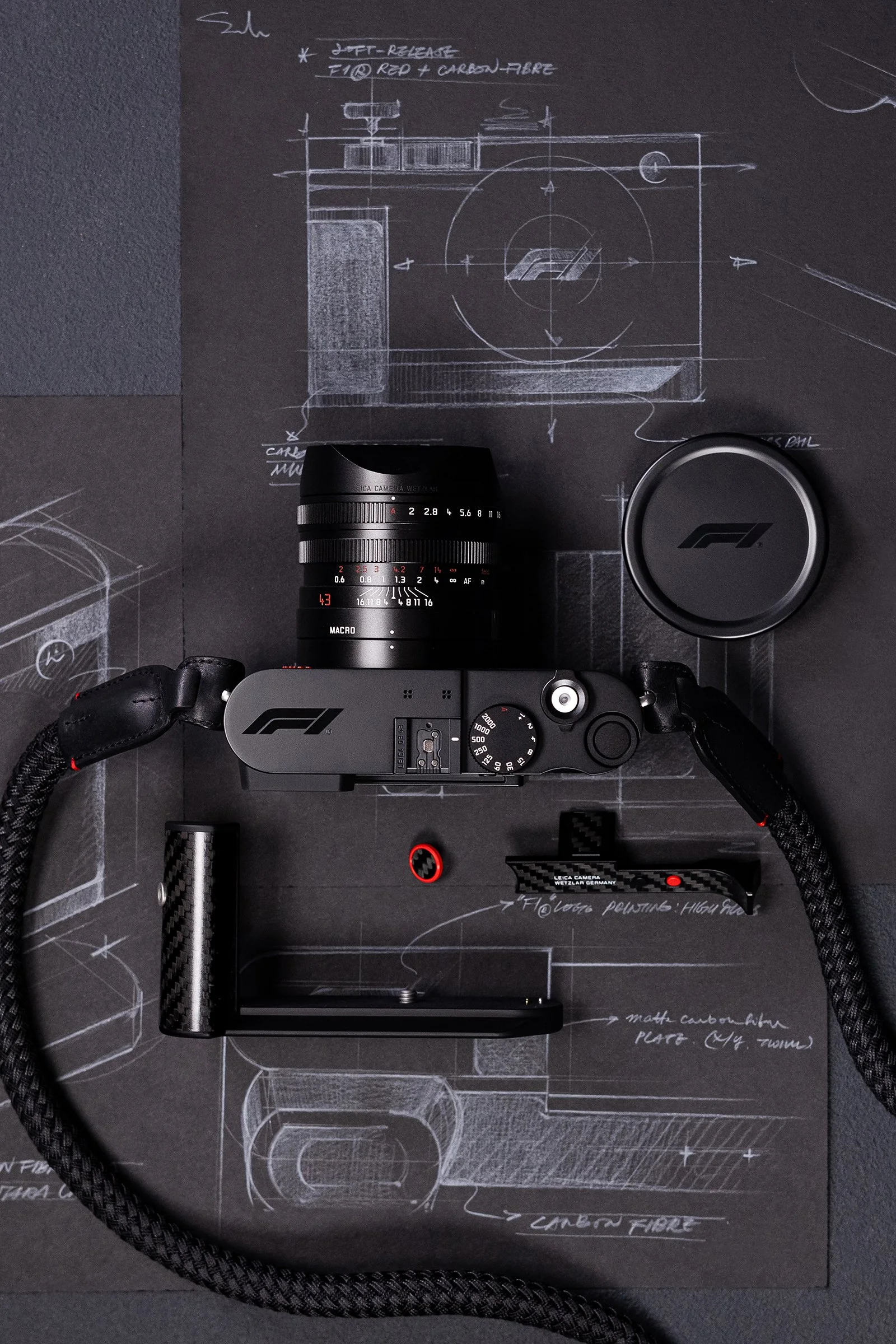
Image credit: Leica Camera AG
This is the part of the story I know from my own work. In the paddock, most of the pictures that matter to me happen at close range, with team members, drivers and guests passing within arm's reach. A 43mm lens suits that kind of work, letting you photograph a portrait while keeping the garage or the crowd around it in the frame. A fixed focal length has its own advantage, too: once you know its frame by heart, you stop thinking about the equipment and watch the moment instead. Then there is Leica's history - when you hold a Leica, you feel connected to the photographers who made the name legendary, and bringing Formula 1 into that story makes it an experience many photographers, myself included, would love to have in the paddock.
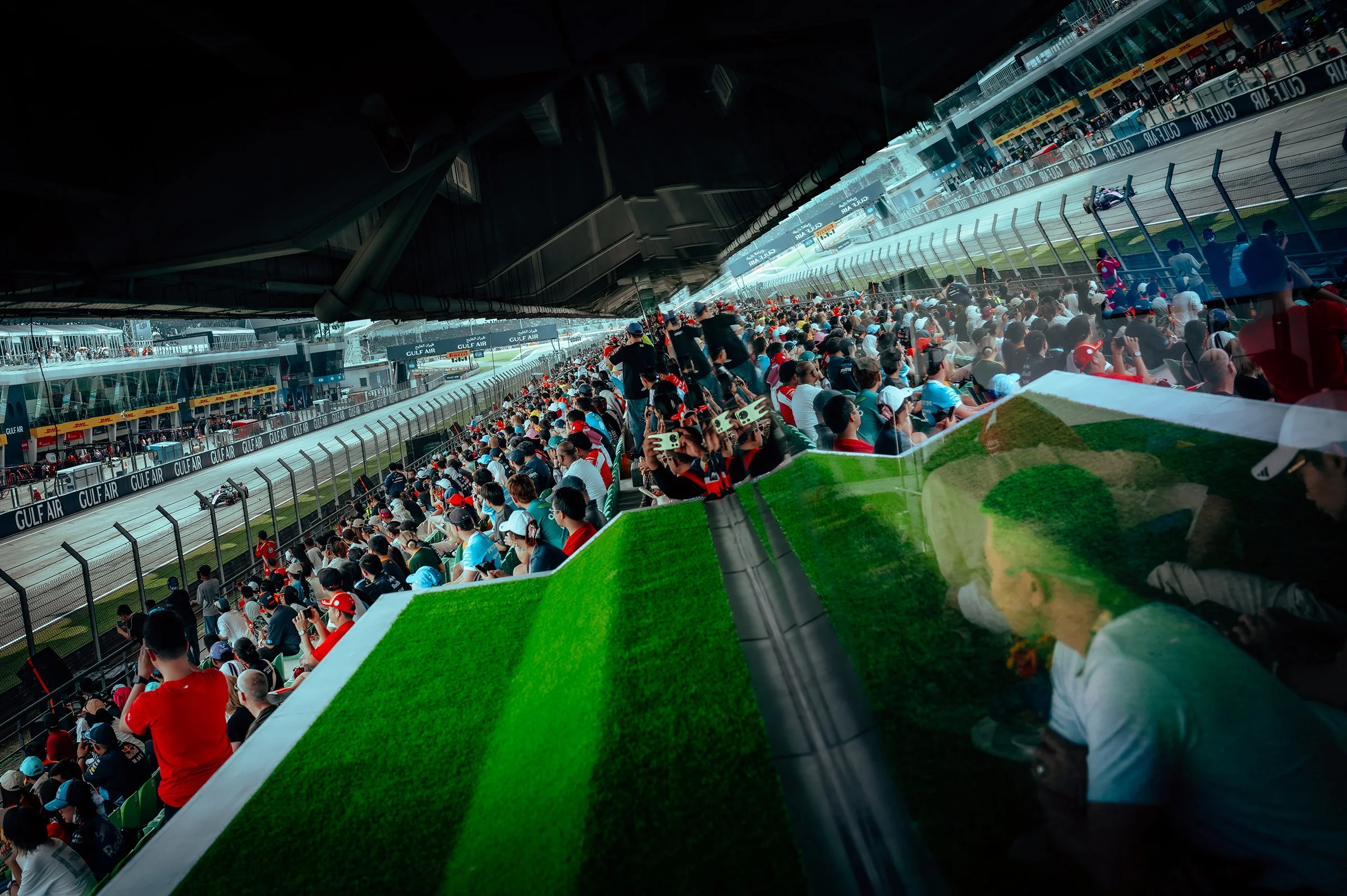
Image credit: Leica Camera AG | Callo Albanese, from the exhibition The Art of Speed. Shot on the Leica SL system
The announced agreement makes Leica an Official Licensee of Formula 1, which allows it to put F1 branding on the camera and its accessories. In general, a sponsor pays for visibility inside Formula 1, on cars, at the track and in broadcasts, while a licensee uses the sport's trademarks on its own products and sells them to its own customers. The F1 marks on the camera belong to Formula One Licensing BV, a Formula 1 company, and Formula 1 itself is a subsidiary of Liberty Media. The announcement mentions no team or trackside branding.
Licensing is a growing part of how Formula 1 reaches people beyond the race weekend. In its 2026 half-year review, F1 said it signed 20 new consumer products licensing partners in the first half of the year, with Disney's Fuel the Magic campaign, Fanatec and a DK Books publishing agreement among those already launched. When the Disney collaboration was announced in May 2025, Emily Prazer, Formula 1's Chief Commercial Officer, who also leads the Las Vegas Grand Prix as President and CEO, said it fit the sport's strategy
“To step outside the world of sport, and into a broader consumer market.”
In the same announcement, F1 cited 820 million fans worldwide and said 54 percent of its followers on TikTok and 40 percent on Instagram were under 25.
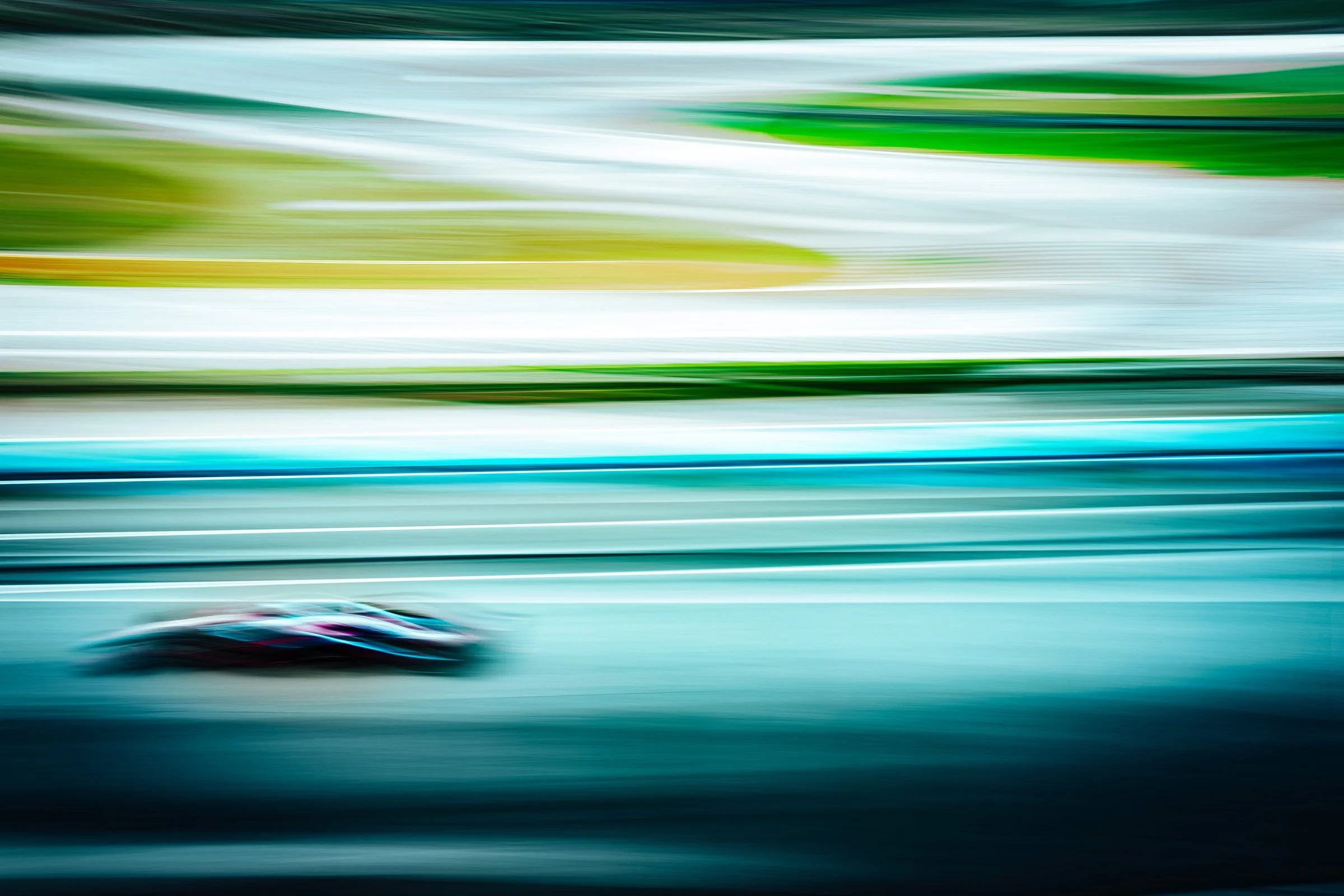
Image credit: Leica Camera AG | Callo Albanese, from the exhibition The Art of Speed. Shot on the Leica SL system
Next to partners such as Disney's Mickey & Friends, Leica brings Formula 1 the authority of a name tied to the history of photography. For Leica, the benefit is reach. As part of its growth strategy, Leica has expanded well beyond cameras, and Formula 1 opens a door to a global audience that skews young on social media.
At $9,950, this camera will stay out of reach for most fans, and that does not weaken the idea behind it. A fan who may never stand on the grid can still want an object that carries both a motorsport-inspired design and a century of photography, and for a luxury brand, that desire has value of its own. Voll said the edition is aimed at photographers, Formula 1 fans and collectors. If even a small part of the sport's audience begins to see Leica as part of its world, the partnership could serve the brand well beyond this camera. The launch announcement does not specify production numbers, and what else the partnership will bring remains to be seen.
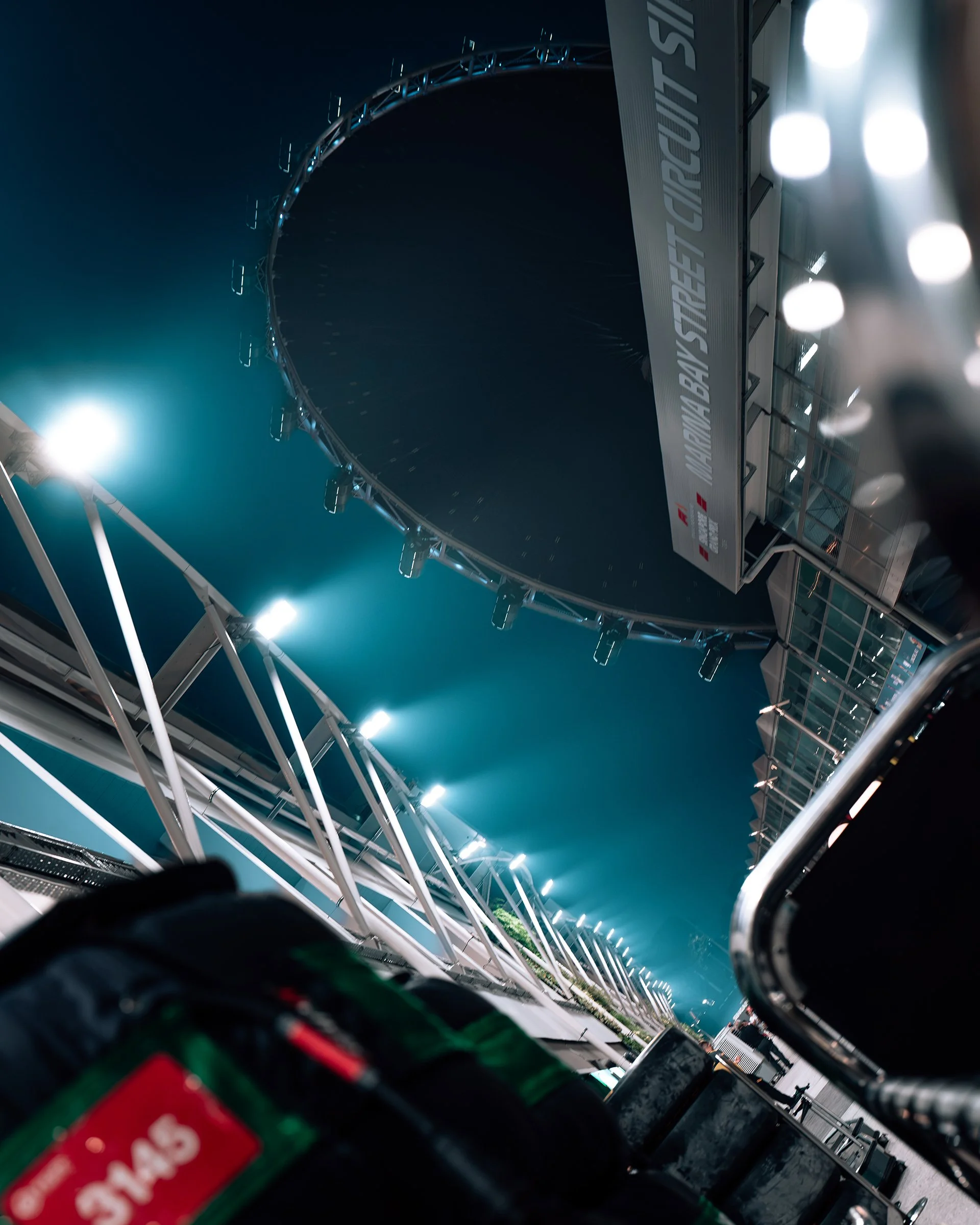
Image credit: Leica Camera AG | Callo Albanese, from the exhibition The Art of Speed. Shot on the Leica SL system
When a race weekend ends, the cars are packed for transport and the circuit falls quiet. What stays are the photographs, among them the ones taken by someone standing close enough to see a driver's eyes before the visor comes down. Leica built its first camera so a photographer could carry it into the middle of life. A century later, it has dressed that idea in carbon fiber and sent it to the paddock, where every moment still happens only once.