
The Psychology of Speed, What Separates Elite Formula 1 Drivers

Speed is the most visible element of Formula 1. Cars reach extraordinary velocities, lap times are measured to thousandths of a second, and the margins between success and failure can be incredibly small. Yet behind the engineering and the physical demands lies another factor that often determines results, psychology.
Formula 1 drivers operate in an environment of constant pressure. They must process enormous amounts of information while traveling at more than 300 kilometers per hour, while also competing against some of the most skilled athletes in the world. Mental strength becomes as critical as driving skill.
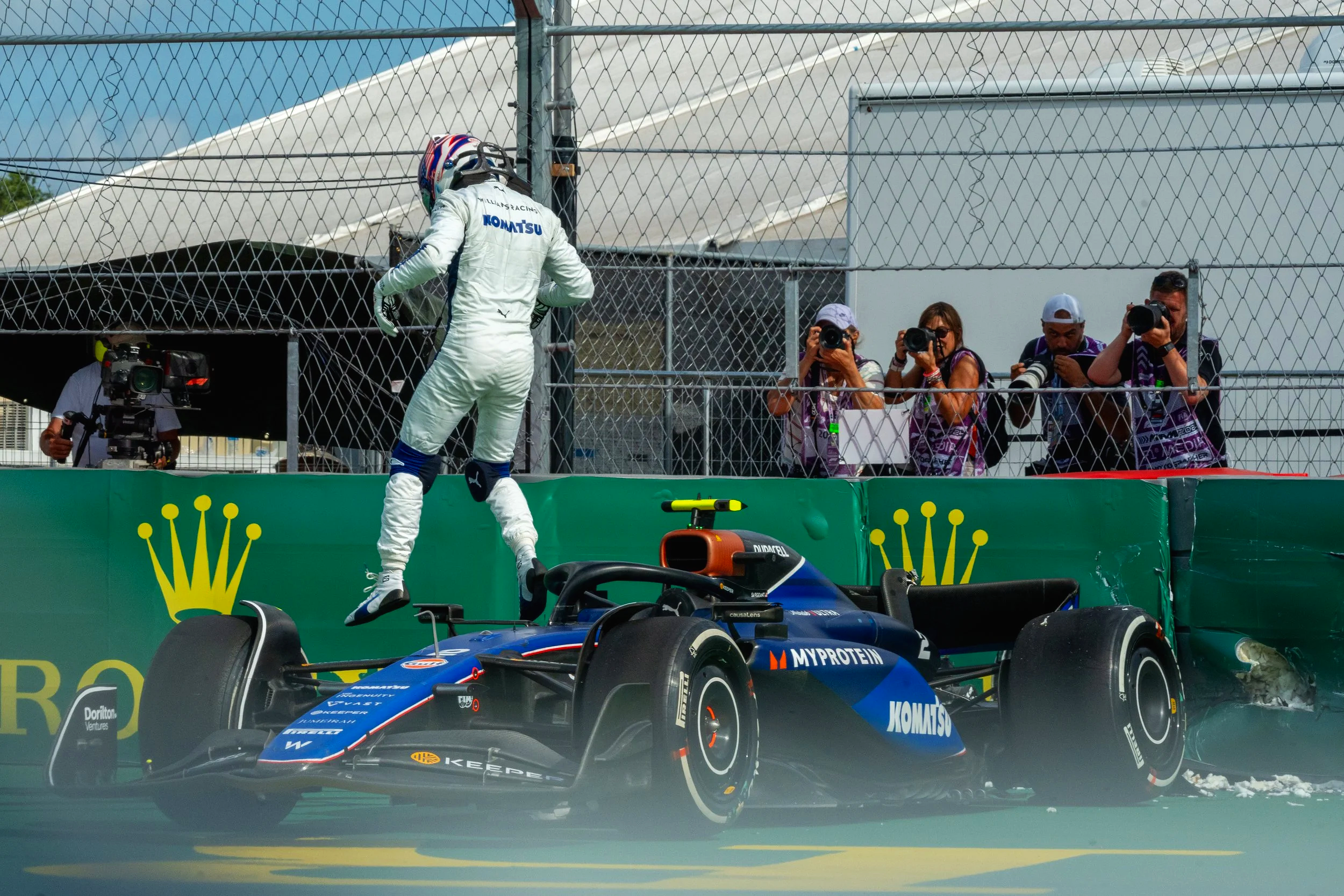
Motorsport has always carried an element of danger. Although safety standards in Formula 1 have improved dramatically over the past decades, drivers remain fully aware of the risks involved. Managing that awareness is part of the profession. Elite drivers do not eliminate fear entirely, instead they learn to control it. The ability to remain calm and focused while approaching a braking zone at extreme speed is one of the defining characteristics of top level competitors.
Formula 1 leaves almost no room for mistakes. A small misjudgment in braking distance, a slightly late apex, or a minor loss of traction can have immediate consequences. Over the course of a race drivers must maintain concentration for more than ninety minutes while constantly adjusting to tire degradation, weather conditions, and race strategy. Communication with engineers, energy management, and situational awareness all occur simultaneously. The cognitive demands of the sport are immense.
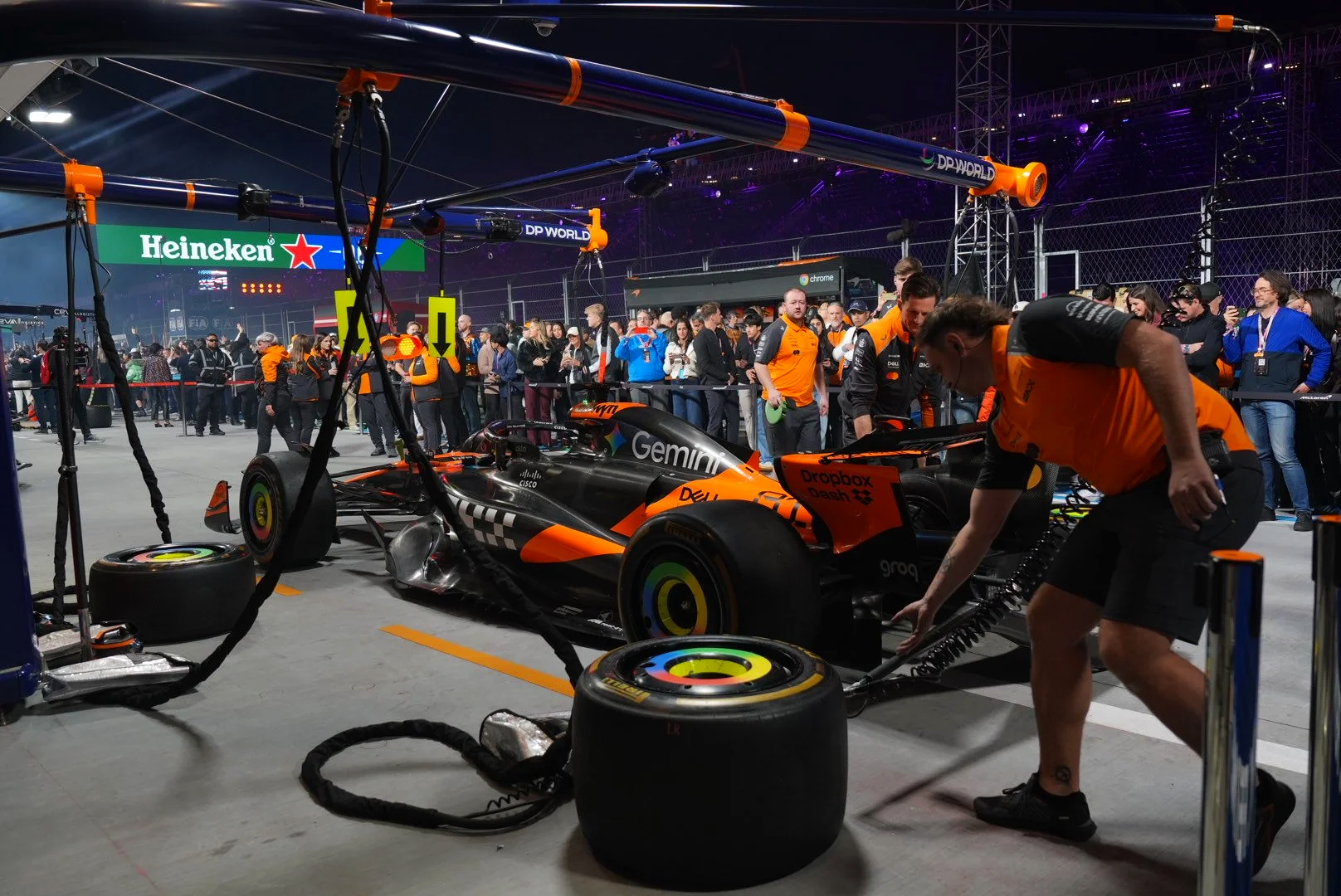
Even the most successful drivers experience setbacks. Crashes, mechanical failures, and difficult seasons are part of every Formula 1 career. What distinguishes elite drivers is not the absence of mistakes, but their response to them. The ability to recover quickly, analyze what went wrong, and return to competition with confidence is one of the defining psychological traits of champions. Understanding the mental dimension of Formula 1 offers a deeper perspective on the sport. Behind the technology and the spectacle are individuals constantly managing pressure, expectation, and risk. The stopwatch records performance, but the mindset of the driver often determines who ultimately succeeds.