
F1 New Rules for 2026, Smaller Cars and a New Technical Era
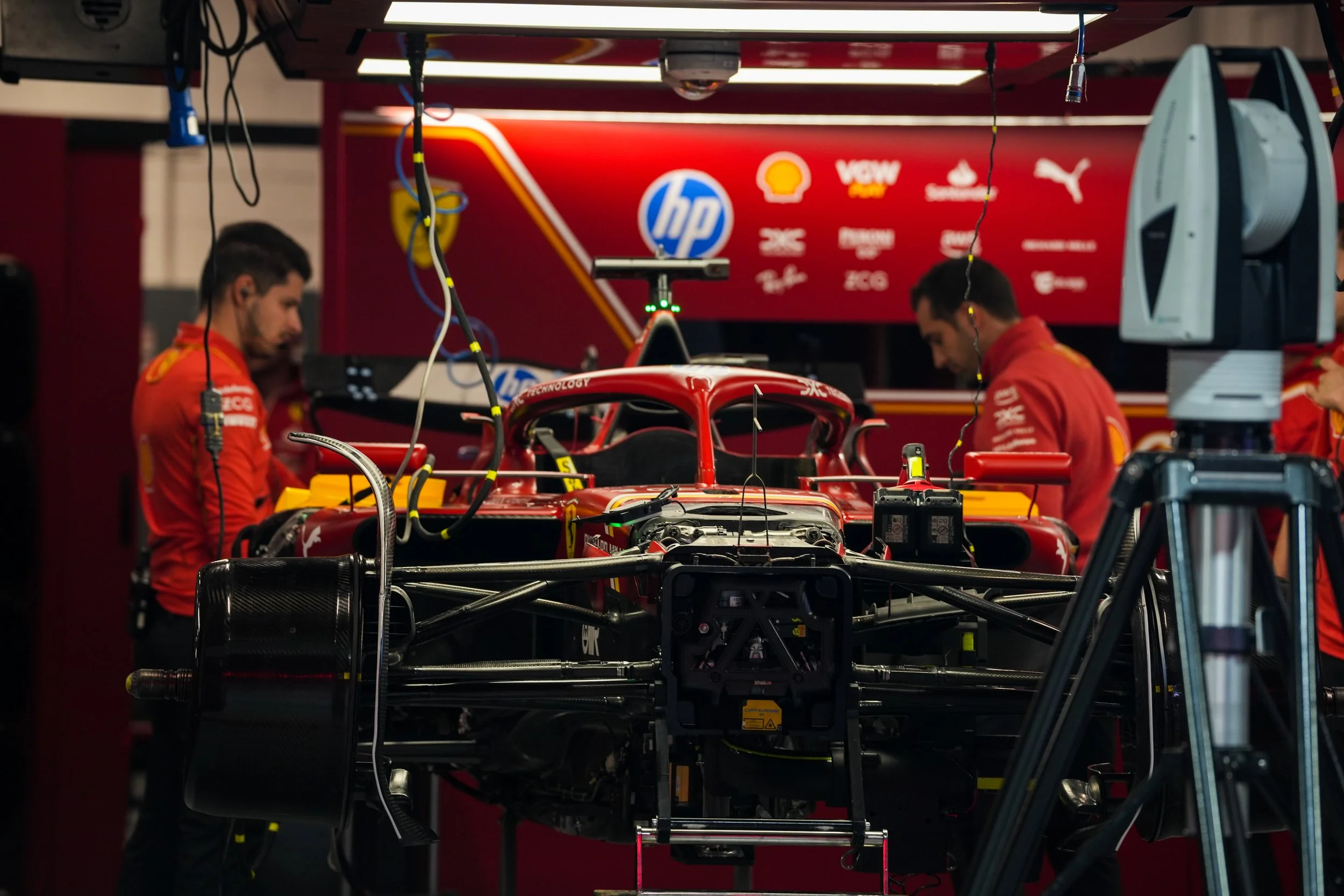
Formula 1 is preparing for one of the most important regulatory resets in modern history. The 2026 season will introduce a new generation of cars and power units, with the goal of improving racing, strengthening sustainability, and maintaining the technological relevance that has always defined the championship. Every major regulation cycle reshapes the competitive landscape of the sport. Teams must rethink design philosophies, engineers search for new performance advantages, and manufacturers decide whether the sport aligns with their long-term technology strategies. The next era of Formula 1 is already taking shape.
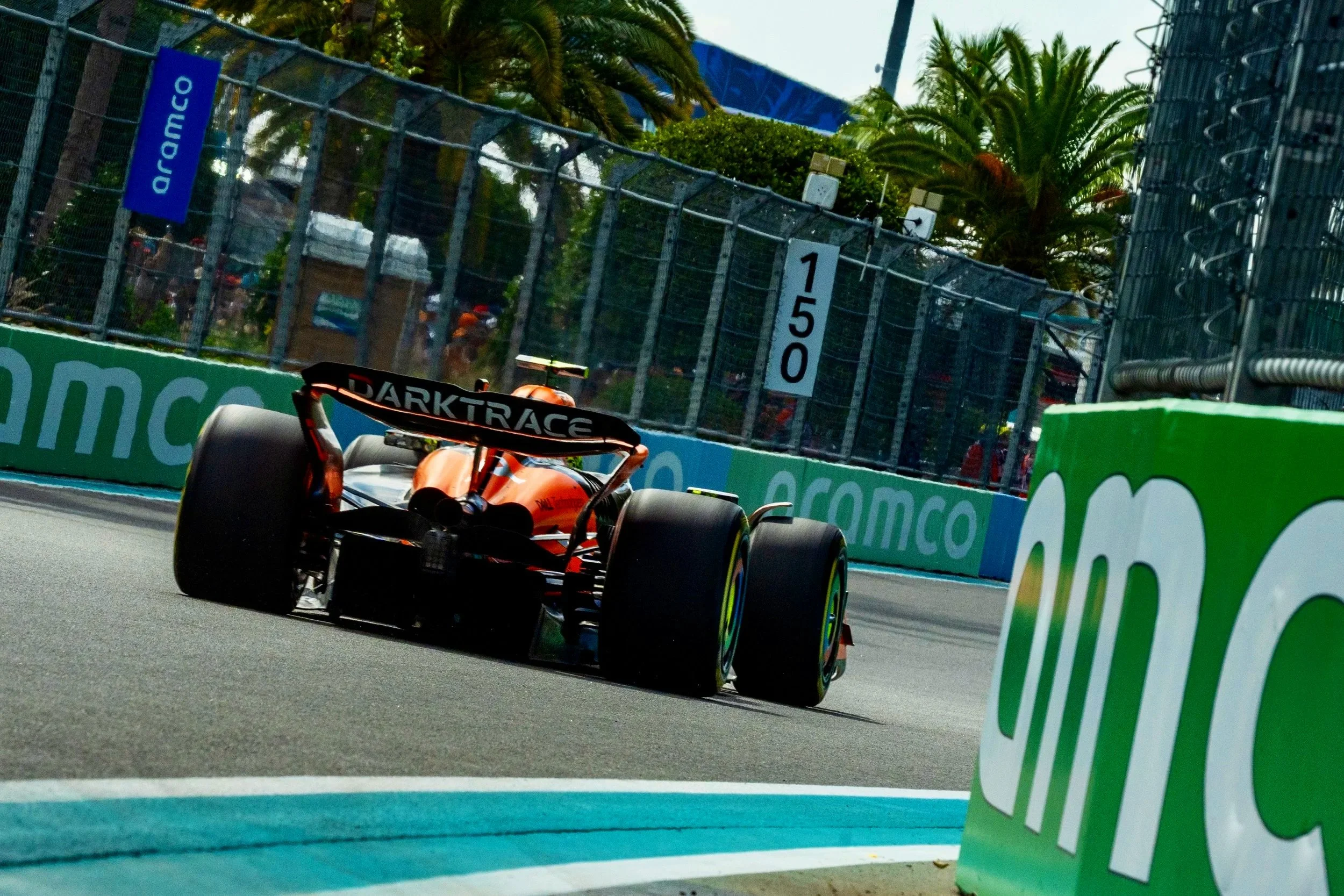
One of the most visible changes will be the size and weight of the cars. Over the past decade Formula 1 machinery has grown significantly larger, which has often made wheel-to-wheel racing more difficult on tighter circuits. The next generation of cars is expected to be slightly smaller and lighter. The objective is simple, allow drivers to follow more closely through corners and create more overtaking opportunities during races. Aerodynamic efficiency will remain central to performance, however the new regulations aim to reduce some of the turbulence that currently disrupts close racing. For drivers this could mean more opportunities to attack and defend on track.
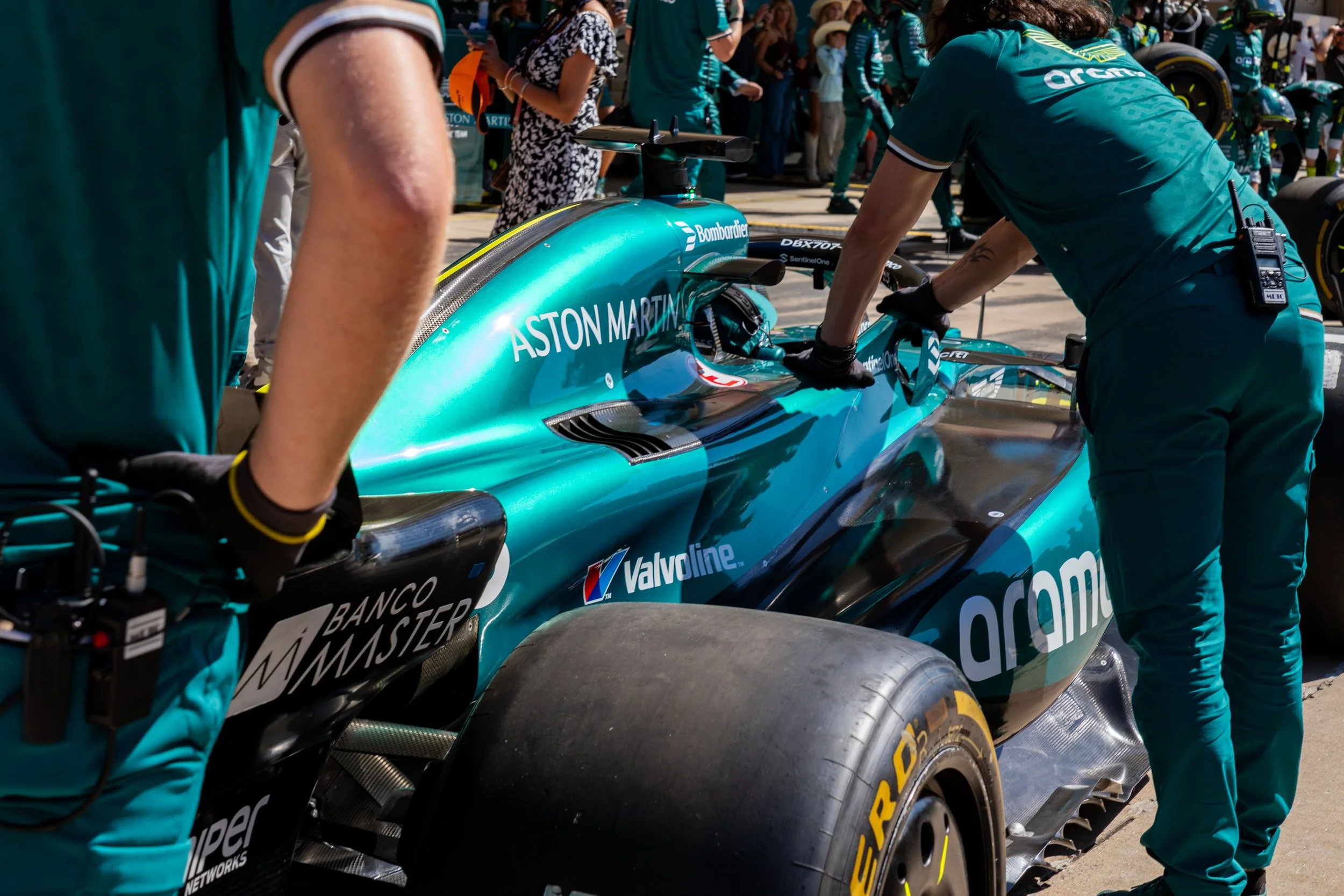
The 2026 power unit regulations represent a significant shift in philosophy. Hybrid technology will play an even larger role in overall performance, with electrical power contributing a much greater share of the total output. At the same time the sport will move toward fully sustainable fuels, an important step for manufacturers looking to connect motorsport development with road-car technology. The new engine formula has already attracted strong interest from automotive brands, reinforcing Formula 1’s position as one of the most technologically advanced competitions in global sport.
Since the introduction of the cost cap in 2021, the financial structure of Formula 1 has changed dramatically. Teams now operate within stricter spending limits, forcing organizations to prioritize efficiency and strategic development. The cost cap will continue into the next regulatory cycle, helping to maintain competitive balance across the grid. While the largest teams still possess enormous technical resources, smaller organizations now have a more realistic path toward fighting for strong results.
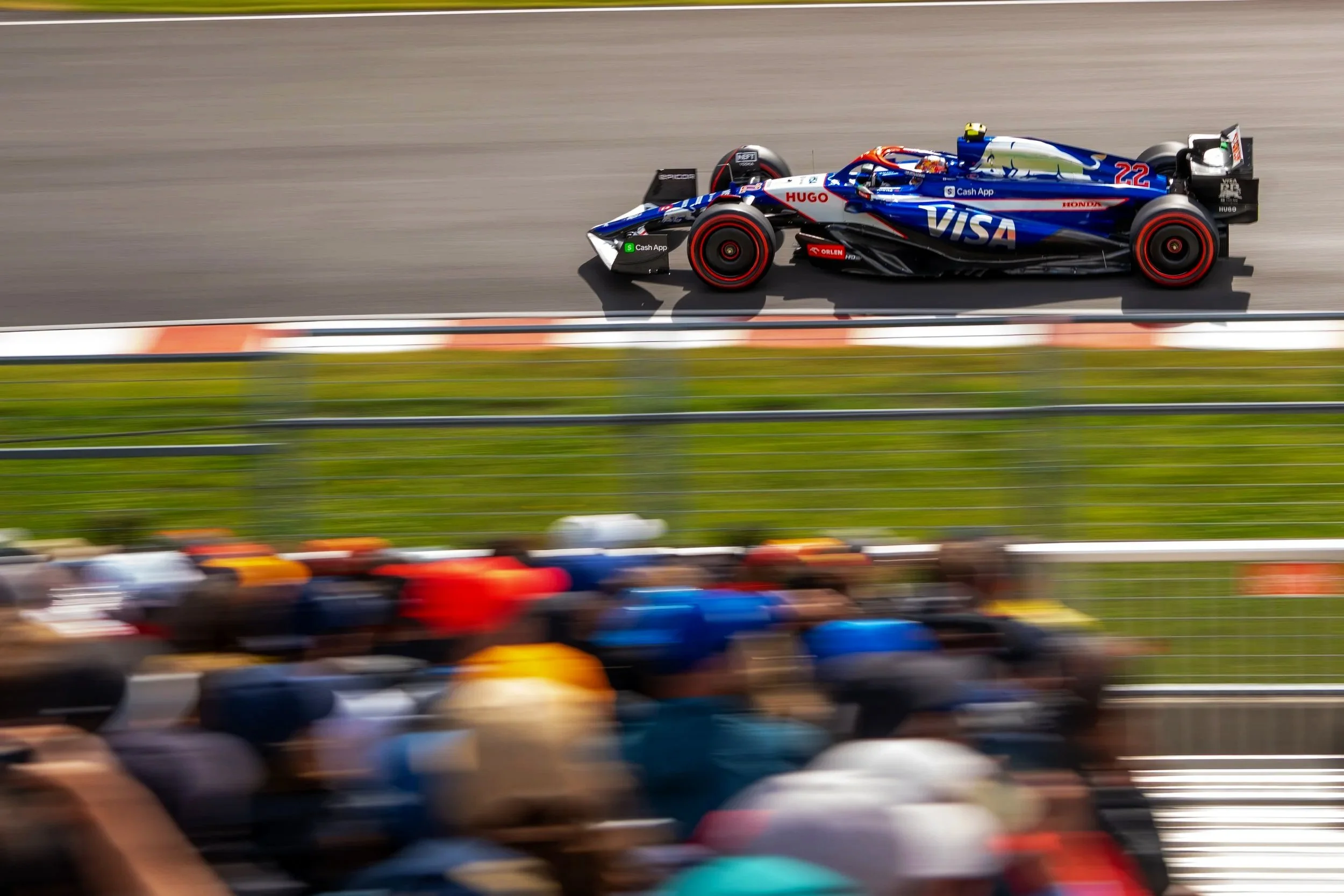
Every major regulation change brings uncertainty. Some teams adapt quickly, others need time to catch up. For fans this unpredictability is often where the excitement begins. With new cars, new engine technology, and evolving financial regulations, the 2026 season may mark the beginning of another defining chapter in Formula 1 history. The next era of the sport is approaching quickly, and the teams are already preparing for it.