
Power, Not Downforce: What Melbourne and Shanghai Really Proved
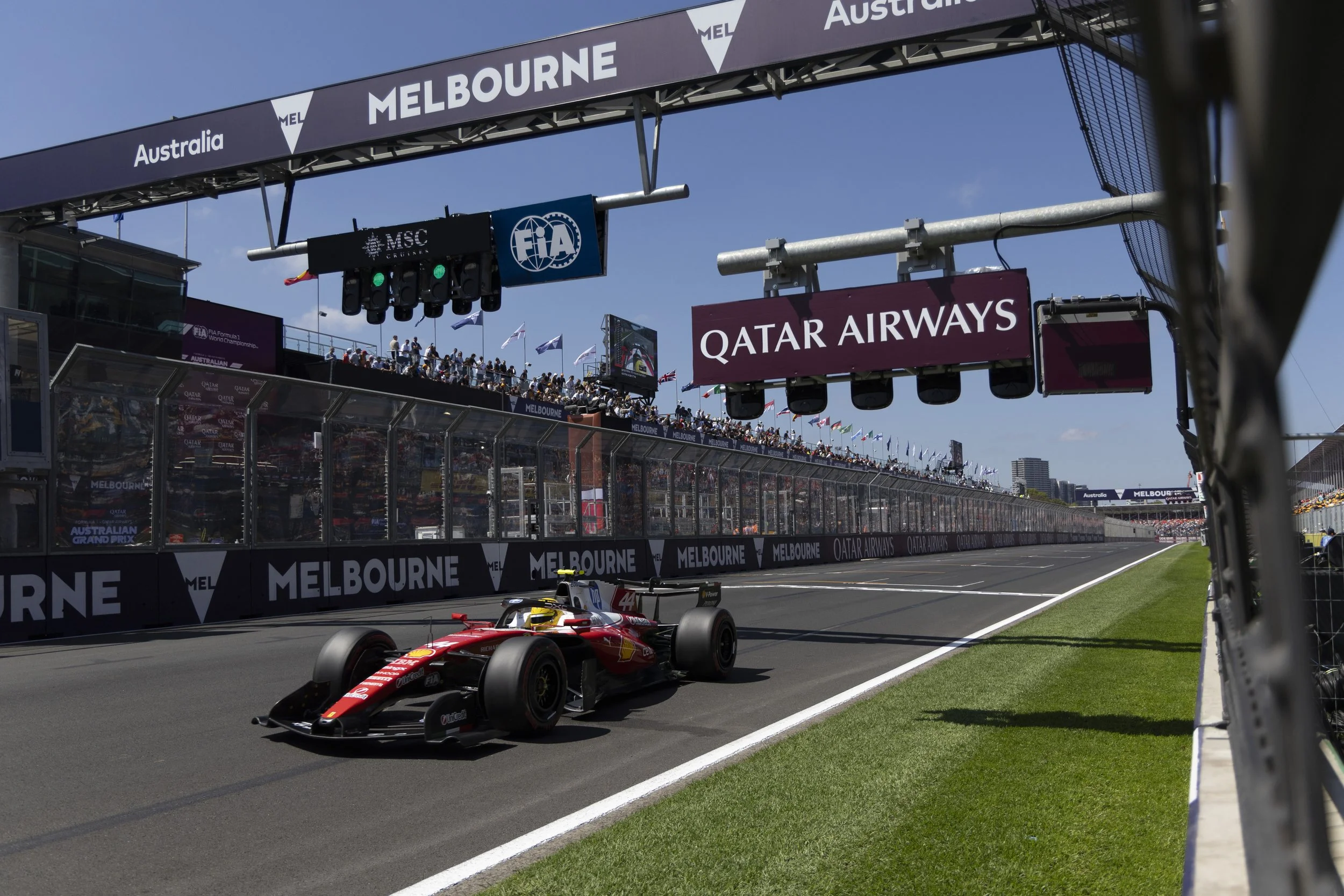
The opening rounds of the 2026 FIA Formula One World Championship in Australia and China have confirmed what many in the paddock suspected before a single lap had been completed: we have entered an era where energy management and power unit integration define finishing positions more than aerodynamic efficiency ever did. As the calendar moves to Suzuka, the performance delta between the front-runners and the struggling giants has become a case study in systems engineering.
The Overtake Era
The 2026 regulations replaced DRS with a new overtaking architecture built around active aerodynamics and an electrical boost system. The active wing modes are now standardized as Corner Mode (high-downforce configuration) and Straight Mode (low-drag, available on designated sections of each circuit). The additional electrical deployment system, formerly “Manual Override Mode,” now officially designated “Overtake”, grants a driver within one second of the car ahead a significant electrical power advantage to facilitate passing.
Two races in, it is clear that victory depends on how long a car can sustain that electrical boost, and how reliably it can harvest energy to repeat this cycle.
“Energy management is crucial, particularly to help the team optimize engine deployment throughout the lap.”
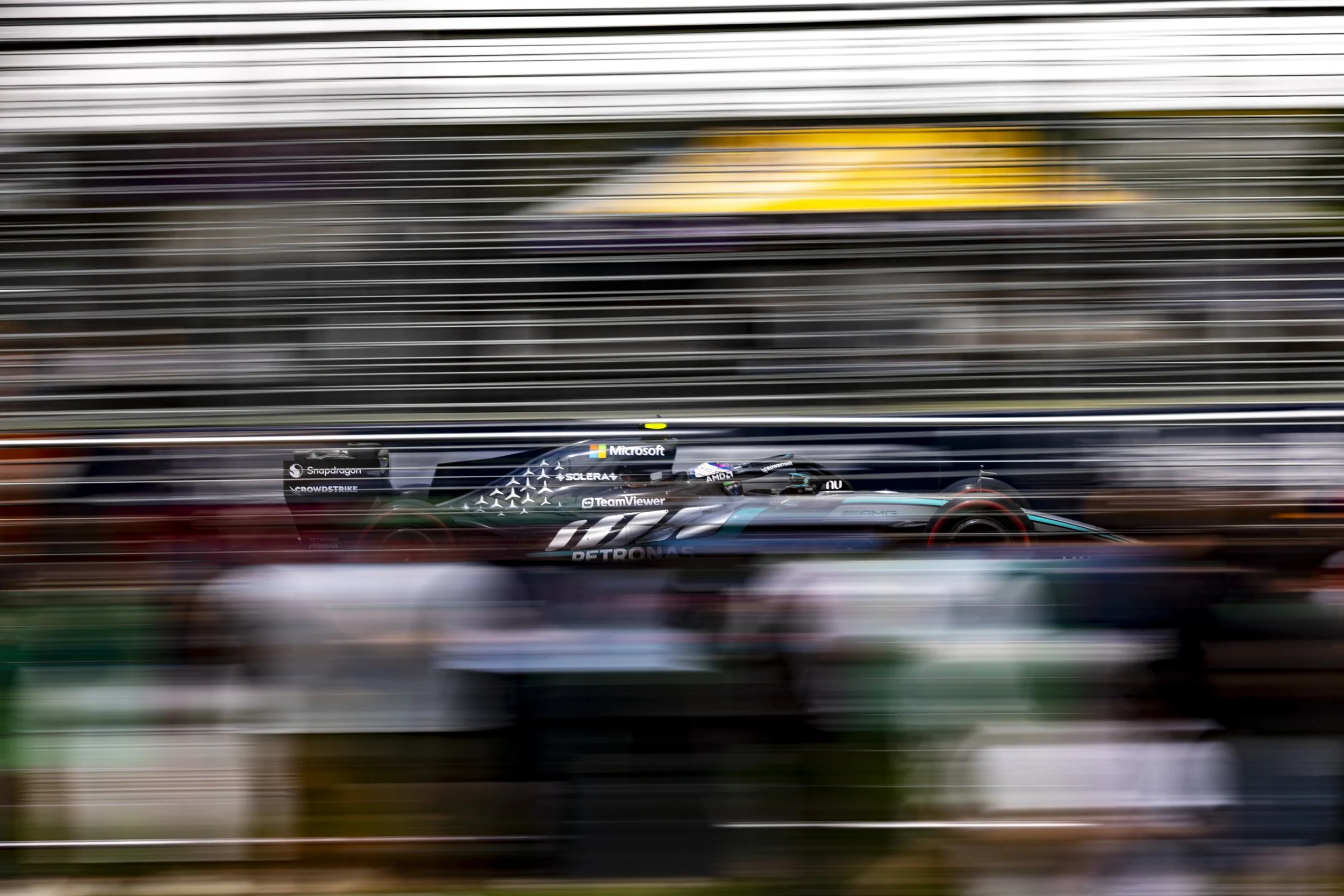
The Mercedes W17 - Benchmark for the Season?
The benchmark through both rounds. George Russell won in Melbourne; Antonelli took his maiden victory in Shanghai, the first Italian Grand Prix winner in 20 years.
Russell’s own assessment after Melbourne pointed beyond the power unit: “We’ve got a really great engine beneath us. However, we’ve also got a really amazing car beneath us and that probably hasn’t been highlighted enough in the press these past few weeks. The car from the off, Kimi and I both said it felt great to drive.”
The W17’s advantage is clearest in its Straight Mode deployment, when rivals hemorrhage time at precisely the moment Mercedes pulls away.
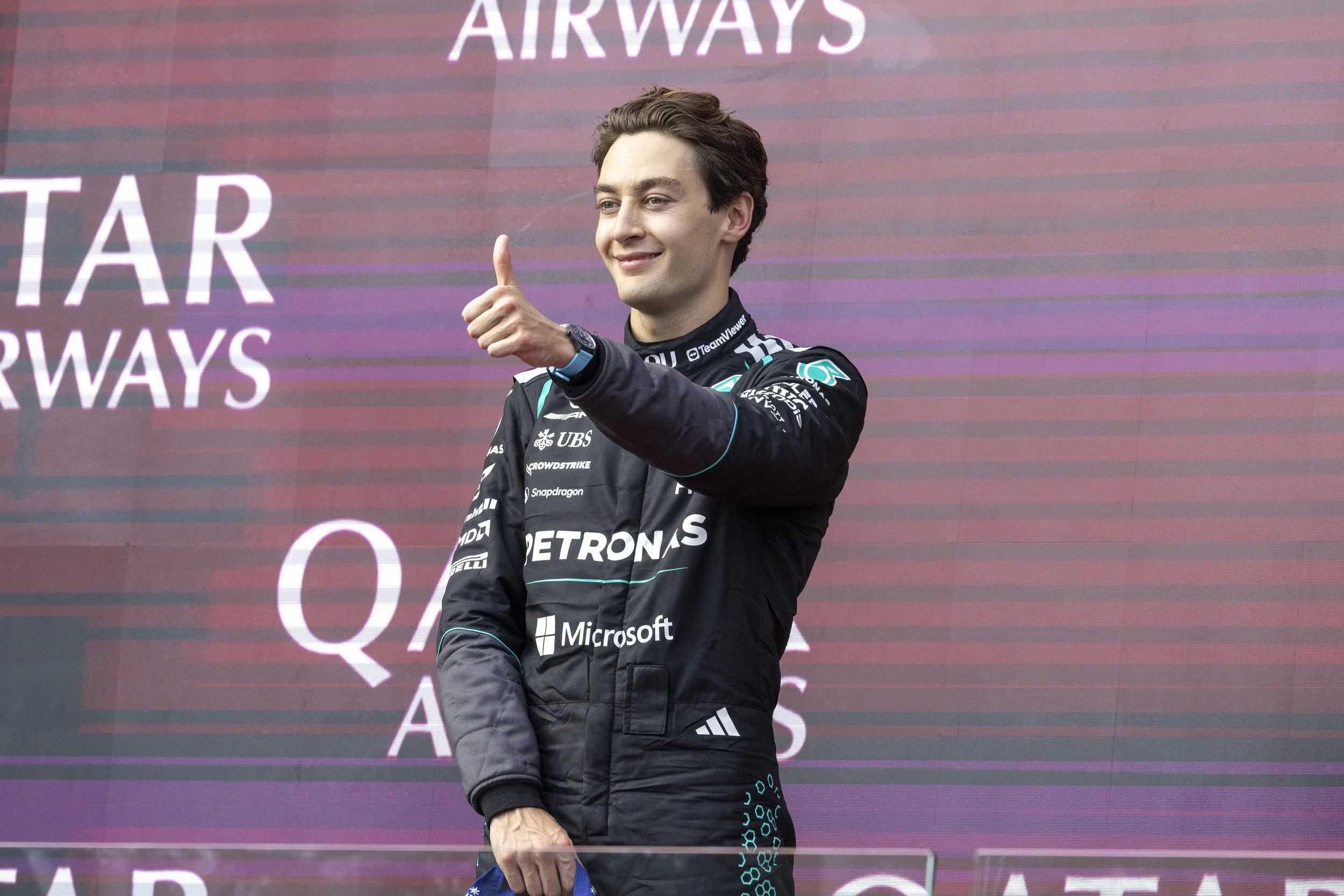
Performance vs Execution: What Melbourne and Shanghai Exposed
Leclerc finished third in Melbourne; Hamilton took his first Ferrari podium in Shanghai. But the strategic blunder from the Scuderia garage definitely could have cost them a double podium in that opening round.
One of the most alarming stories from the first two rounds came from Red Bull. “I had no battery in Melbourne,” Verstappen confirmed at the Shanghai media day.
The team had miscalculated energy flow during the formation lap in Melbourne, leaving the four-time champion depleted at lights out. In China, an ERS cooling fault ended his race.
“The car’s undriveable. We never had anything this bad, with everything together. It has been a disaster pace-wise.”
Red Bull team principal Laurent Mekies has taken a more measured tone and said that they need to regroup after China and discuss what adjustments are needed.
Haas, Alpine, and Racing Bulls look set for a tight midfield battle as they appear to be the best of the rest. At the same time, McLaren finds itself on the back foot, especially after fundamental issues in China left both drivers unable to start the race.
Cadillac and Audi meanwhile, as the new teams on the grid have different definitions of what success looks like compared to the rest of the field. Neither team is where they want to be but are quietly getting on with their own development programmes and firmly keeping an eye on the bigger picture.
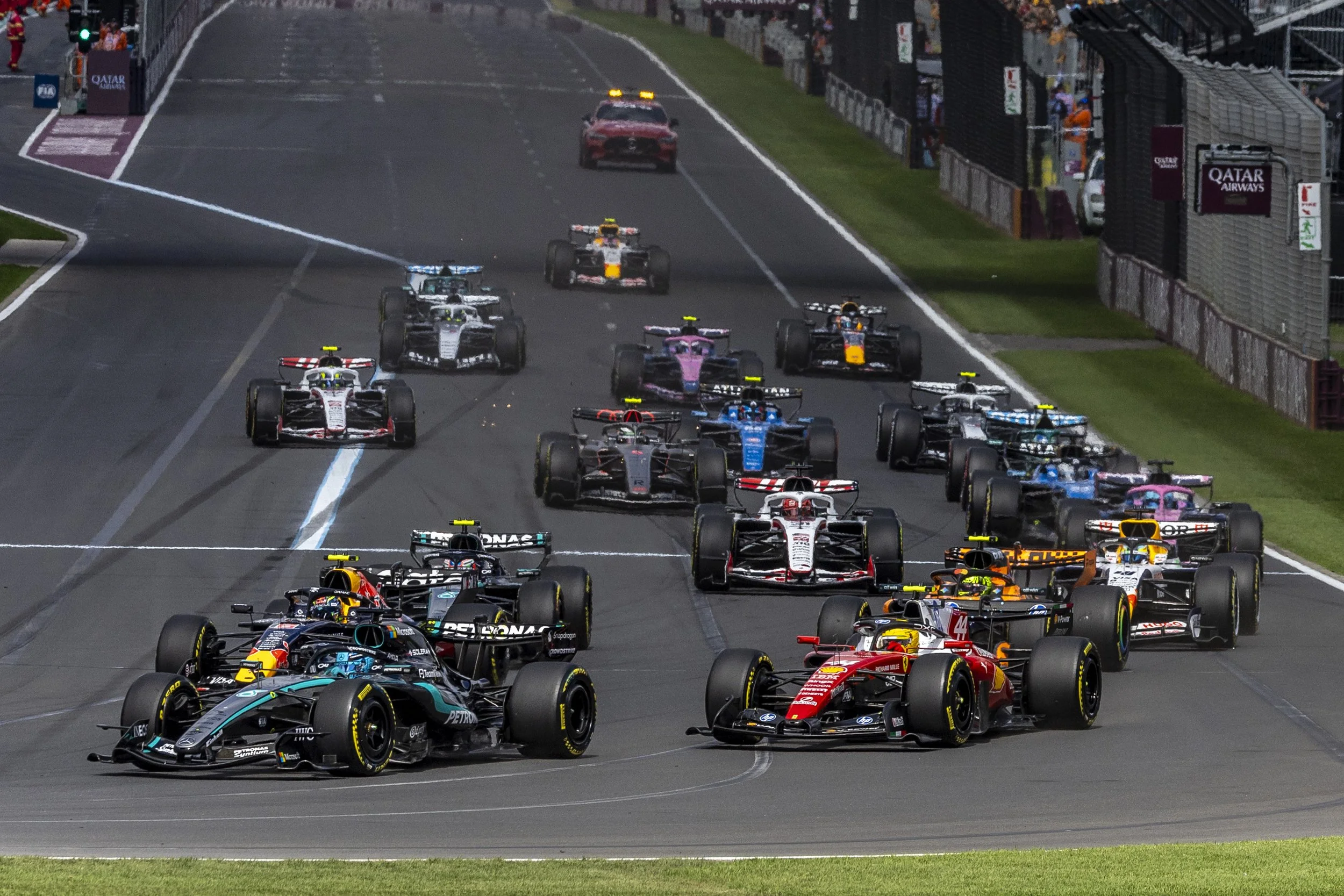
What Suzuka Will Reveal
Ferrari: Expect front-wing geometry revisions targeting the mid-corner understeer that surfaced in Shanghai. The deeper development priority is Straight Mode deployment efficiency - the area Hamilton identified as the core gap to Mercedes.
Red Bull: The RB22’s problems are in ERS management and harvesting logic rather than raw hardware. Software updates targeting harvesting phase optimization are the immediate lever. The team needs a clean race weekend before development can accelerate.
Aston Martin / Honda: The most urgent story in the paddock. Alonso retired from both Melbourne and Shanghai due to vibrations from the Honda power unit severe enough to cause physical numbness.
“I could not probably finish the race anyway. The vibrations level were very high. At one point, from lap 20 to 35, I was struggling a little bit to feel my hands and my feet. We were one lap behind, we were last, and it was probably no point to keep on going.”
His teammate Lance Stroll has described the sensation as being “electrocuted.”
Honda has acknowledged the situation directly. In their official post-race statement, chief engineer Shintaro Orihara wrote: “We have improved the vibrations on the systems side, but it’s still an issue for driver comfort. This is a key area to address as we look ahead to the next race in Japan. The 2026 regulations are far from simple. We know this isn’t an excuse for our reliability and performance, and we will strive to improve.”
“Obviously, from Australia to China, we only had five days, so the engine was exactly the same as in Australia. Now we have two weeks, so we need more time in the dyno. We need to give Honda more time to understand the vibrations and where they come from.”
Suzuka, Honda’s home race is the targeted milestone to see measured improvement.
Suzuka Outlook: The Ultimate Balance Test
Japan’s circuit places specific demands on the 2026 package. The rapid direction changes of the Esses in Sector 1 test transient response and Corner Mode stability under load. The long, high-speed sweeps through Sector 3 including 130R demand sustained energy deployment via the MGU-K (the MGU-H having been eliminated under 2026 power unit regulations). High average speeds with no opportunity for significant harvesting make Suzuka a genuine battery stress test.
The circuit’s technical second sector will be the first true sequence to expose whether teams have calibrated their aerodynamic transition logic between Corner and Straight Mode, or simply papered over it during the opening flyaway rounds.
The Verdict
Two rounds in, 2026 is a battle of systems integration. Mercedes leads because their energy architecture, chassis and power unit working as a unified package is the most mature. Ferrari has the chassis to compete but must close the deployment gap Straight Mode has exposed. Red Bull has the talent but is fighting fundamental ERS problems that no software patch will fully resolve without a clean race weekend to learn from. And Aston Martin faces a crisis that is both mechanical and physical; their drivers cannot complete race distance.
Japan will be the first true high-load data point of the season. The teams that arrive at Suzuka with clean energy management will leave knowing exactly where they stand for the first major upgrade window in Miami.